LYDEN I BYEN
100 km of walks and workshops on Oslo’s acoustic quality and urban development
The quality of the acoustic environment is an important environmental factor, whether in residential areas, in open areas or urban public spaces. It is essential for well-being and public health. The sound in the city (Norwegian «lyden i byen») deserves more attention as a public resource and a good that we can plan and design. It is also the title of this project evolved as part of Oslo European Green Capital 2019.
LYDEN I BYEN took place in 2019 and offered a unique insight into the sound of Oslo. We organised the sound walks along the following routes; click on the title for more information.
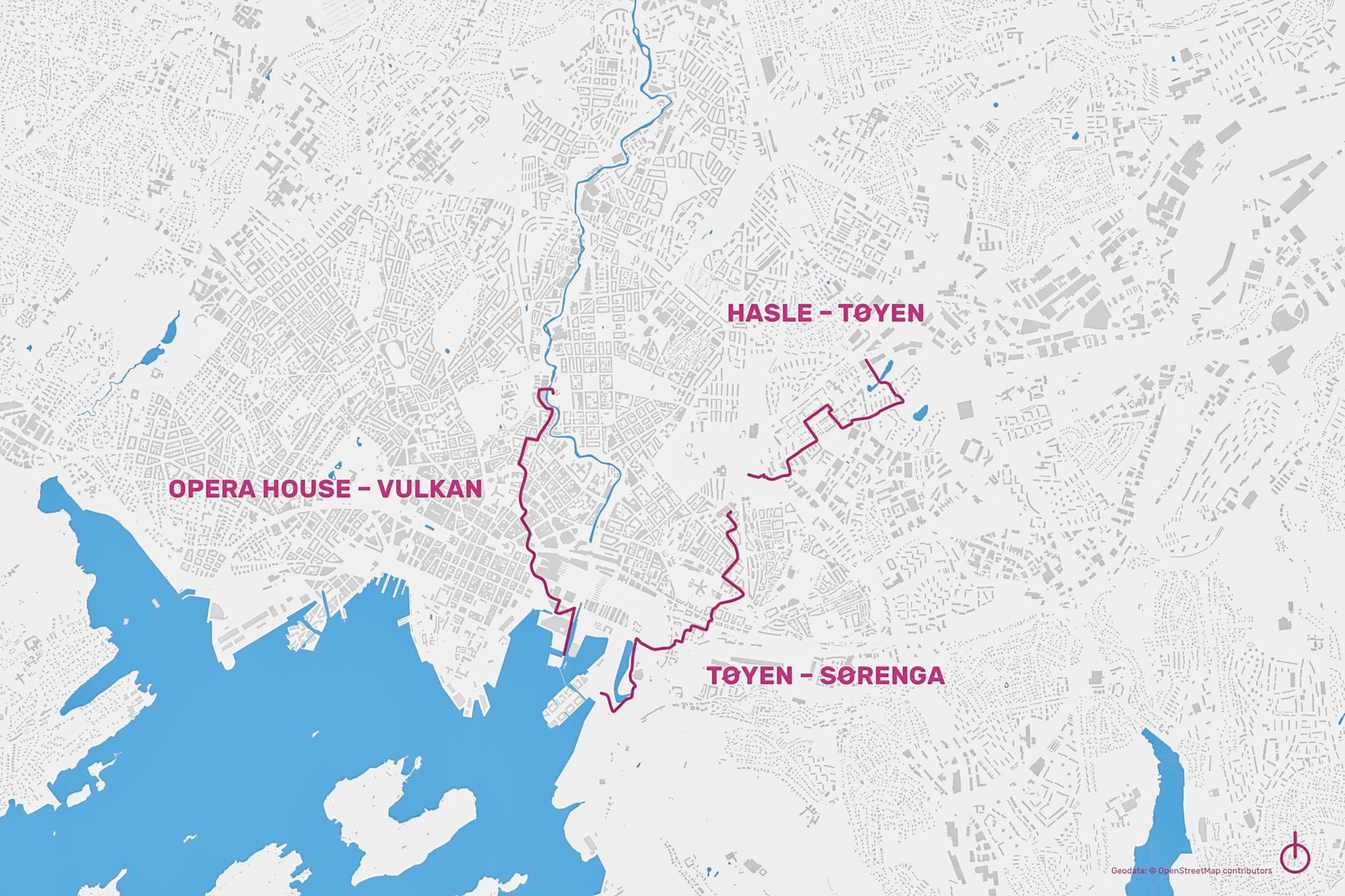
LYDEN I BYEN aims to raise awareness of the relationship between a climate and environmentally friendly city and its acoustic environment. For Oslo, winner of the European Green Capital Award 2019, it is essential to tackle noise sources with noise-reducing measures such as electric vehicles, low-noise roads, noise barriers, and cycle paths. But it is also necessary to recognise the chances to create positive sound experiences. LYDEN I BYEN helps explore these questions through guided walks in different acoustic environments of the city and to explain and discuss the importance of architecture and design for urban acoustics.
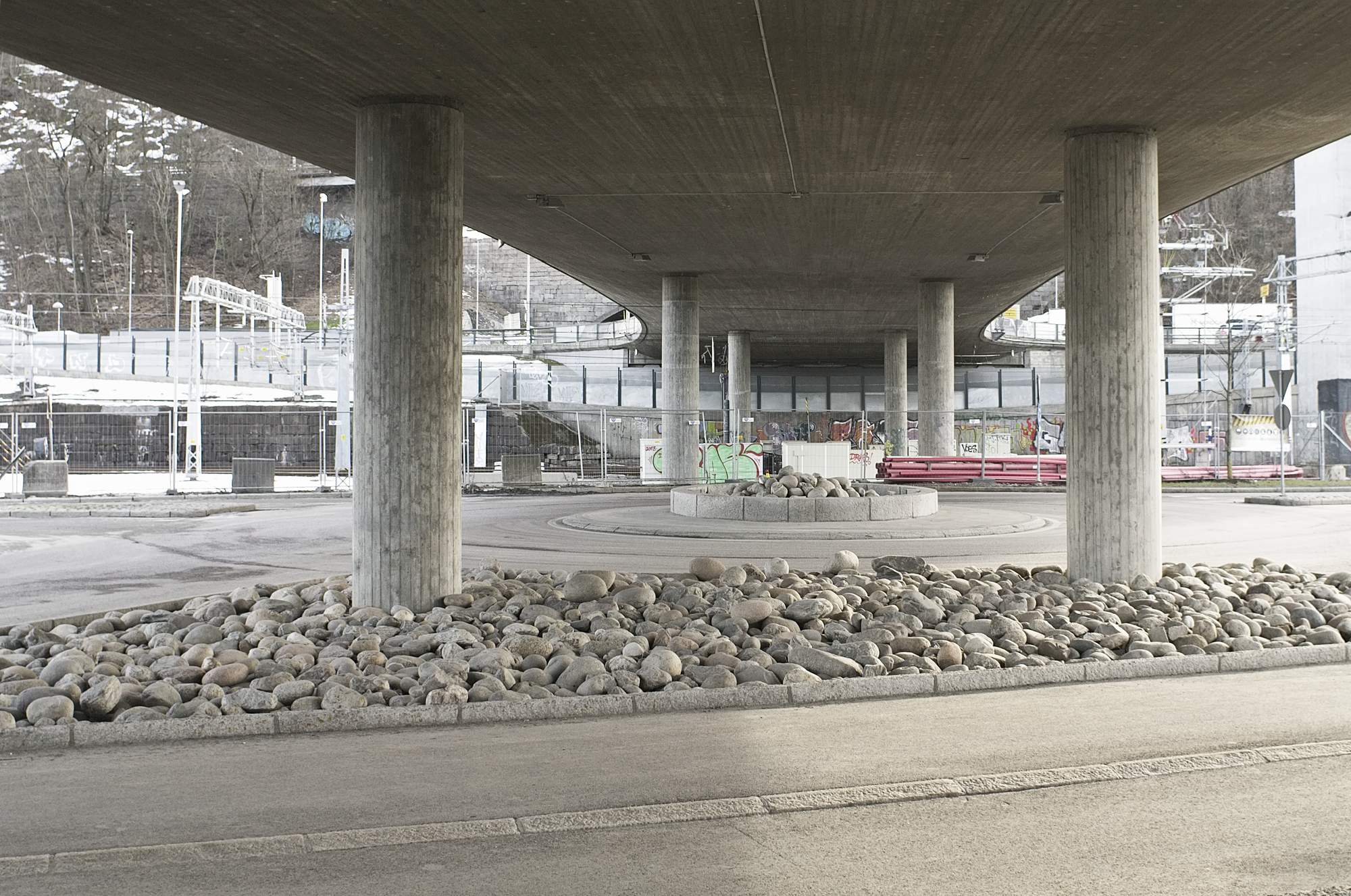
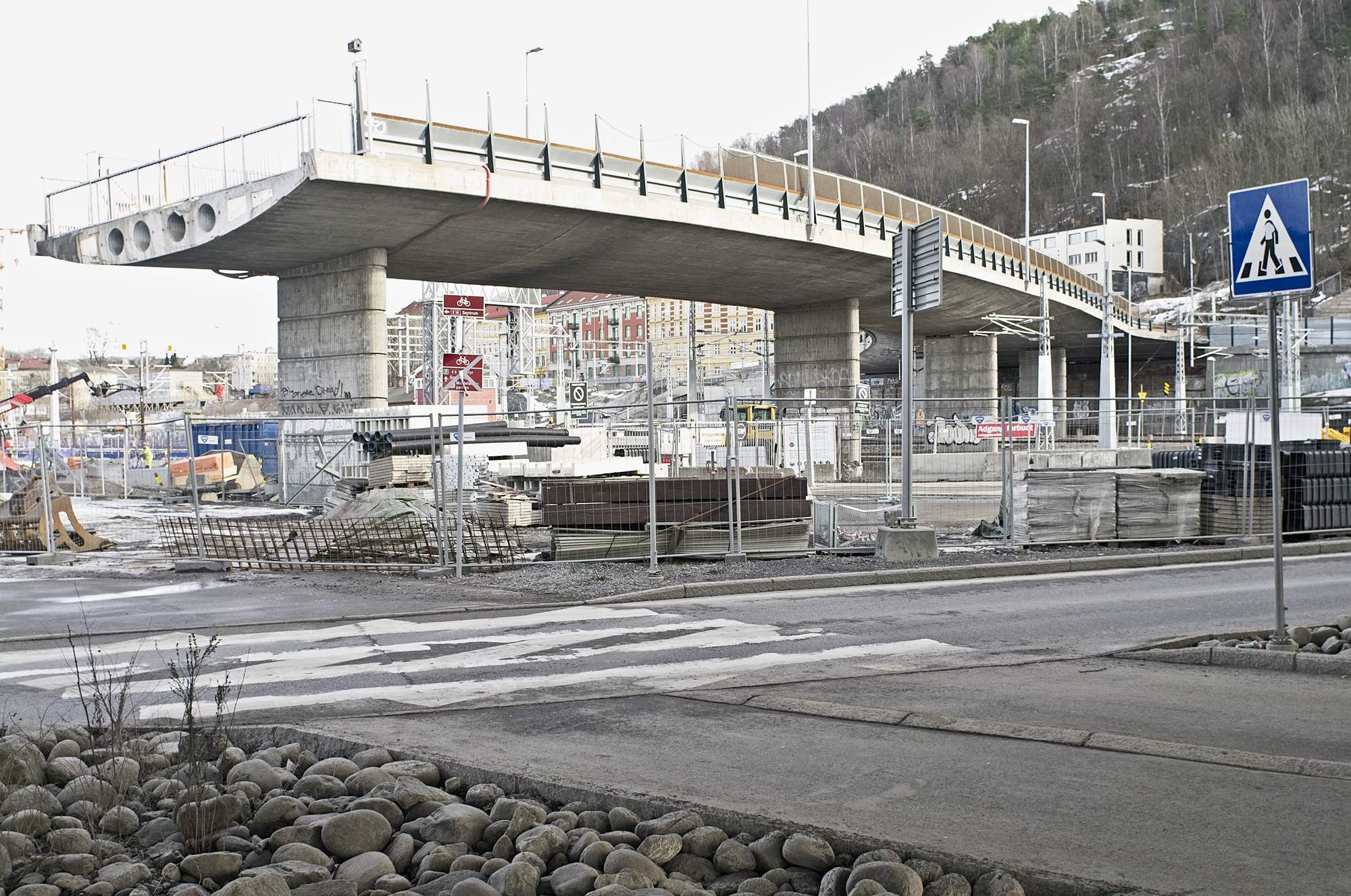
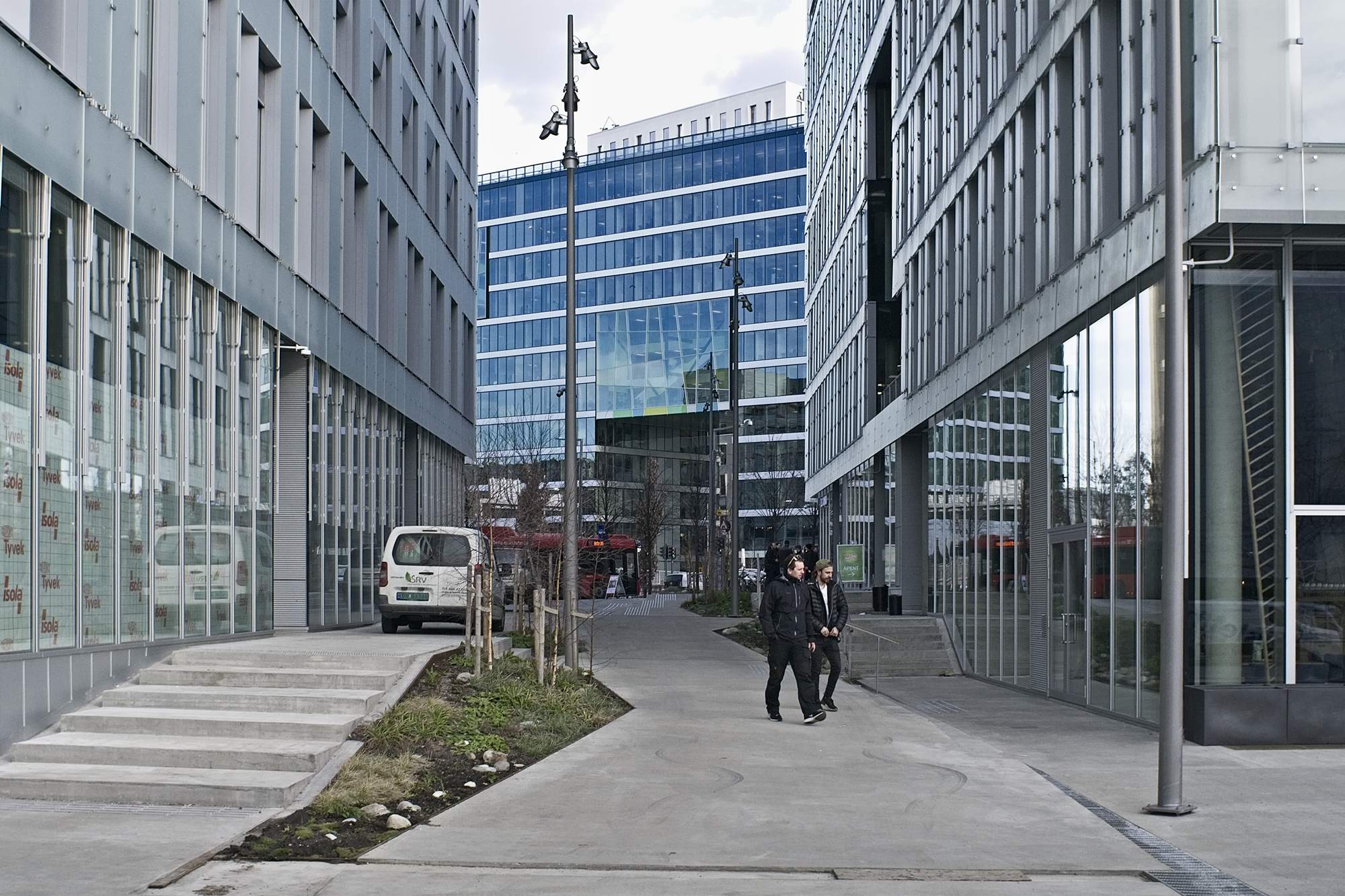
The soundwalk participants become aware that all surfaces in the built and natural environment behave like acoustic actors and influence all the sounds we hear. Thus, the sound sources AND the design of buildings, outdoor areas, streets, squares and open areas are essential for the quality of the urban acoustic environment and how people experience the city. The participants will hear differences between the urban space built in different materials, designs and eras. They are also made aware that people create together the acoustic quality of the city. Particularly concerning sustainable urban development and the work to create attractive urban spaces and residential areas, it is vital to highlight the opportunities from focusing better on acoustic qualities.
The walks with tour guide Trond Maag took place 16-19 March, 25-28 May, 24-27 August and 19-22 October 2019. Walks on 18 March, 27 May, 26 August and 21 October 2019 were tailor-made for urban design professionals, such as architects, planners and landscape architects. Trond Maag conducted approximately 100 km of guided walks and collected feedback and observations from the participants on 15 locations along the walking routes. This material creates a basis for the further development of these places. In particular, the locations can be understood as sound reference points for Oslo, helping urban designers and planners make sound-aware decisions.
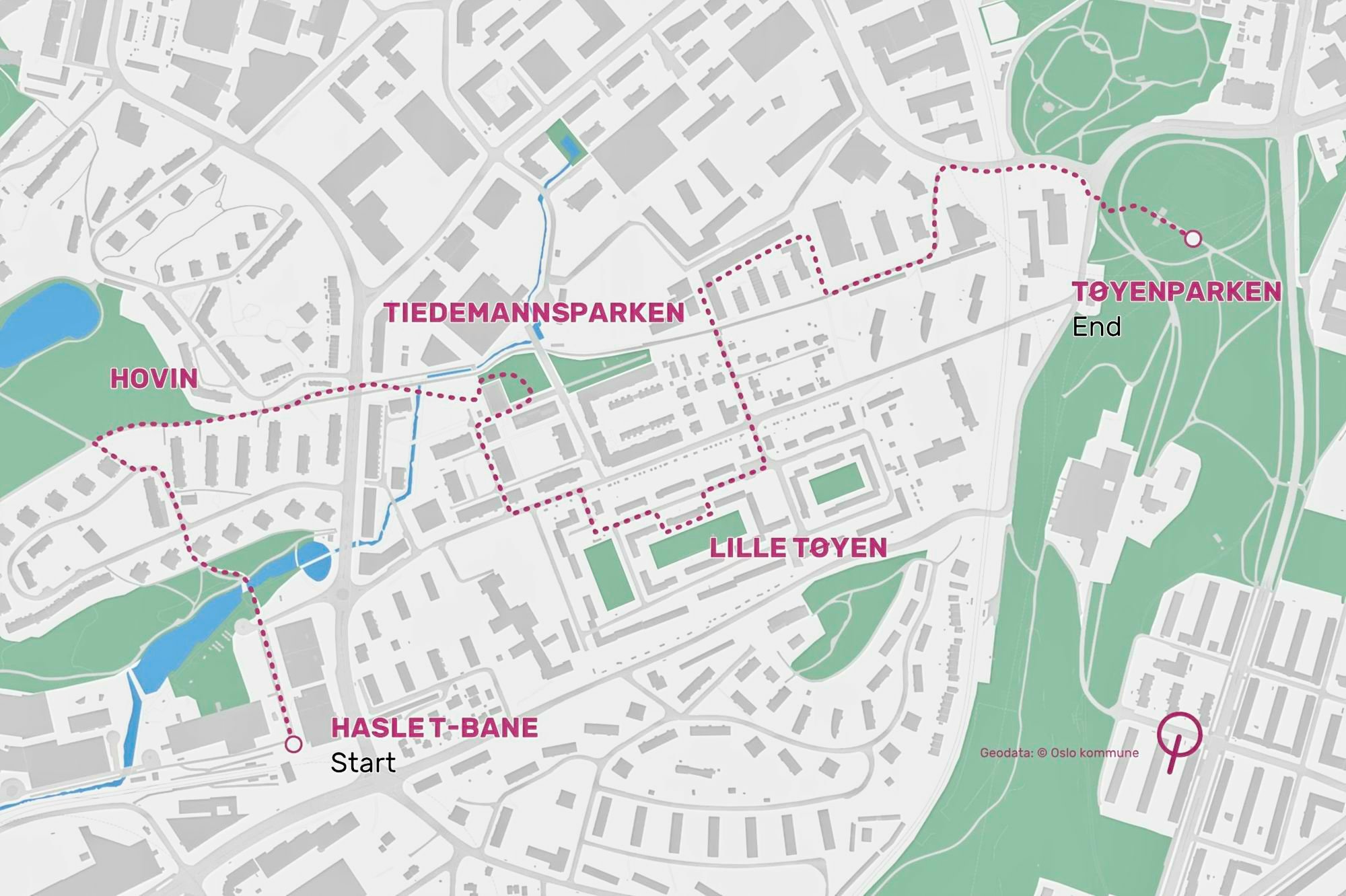
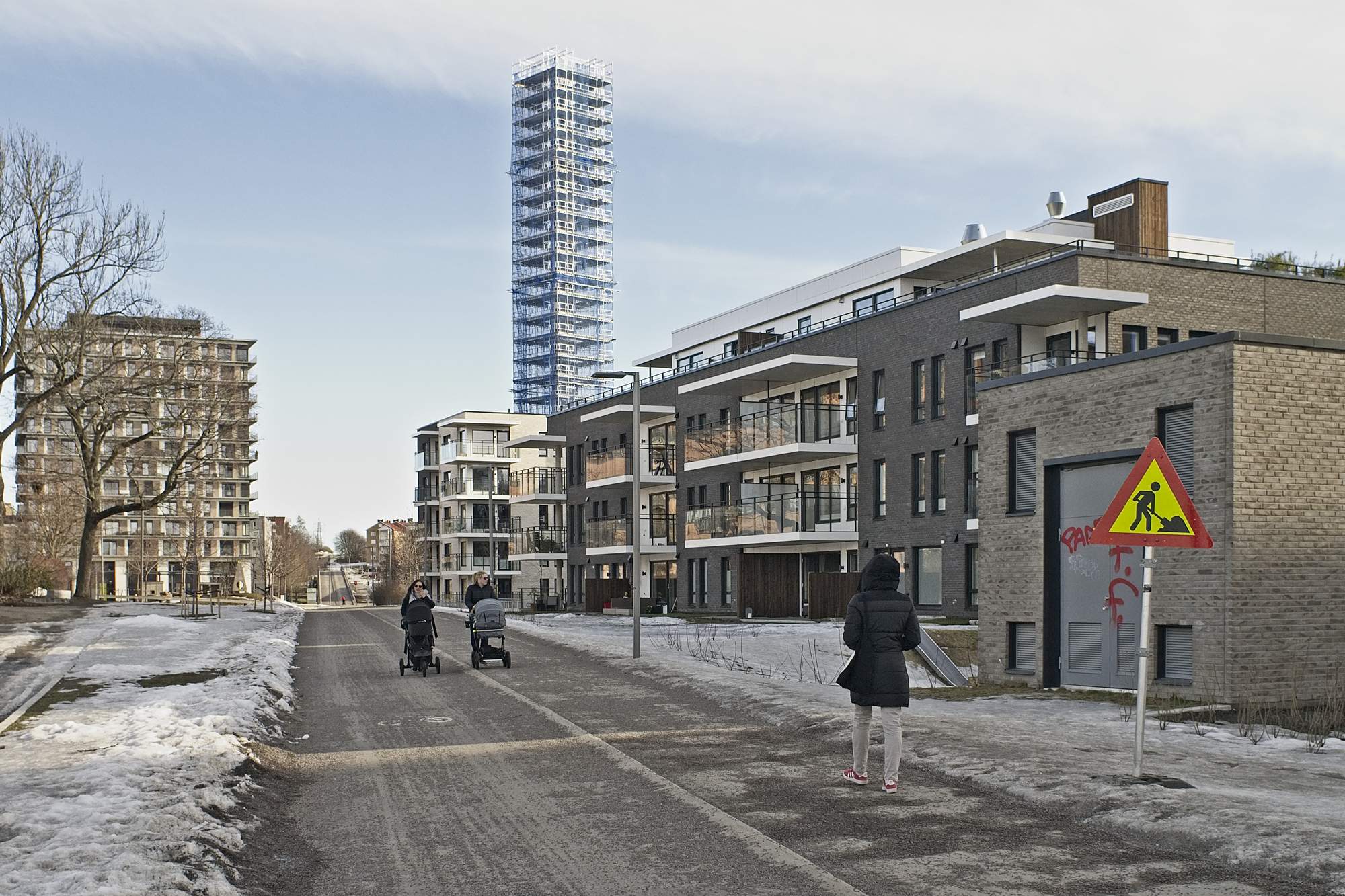
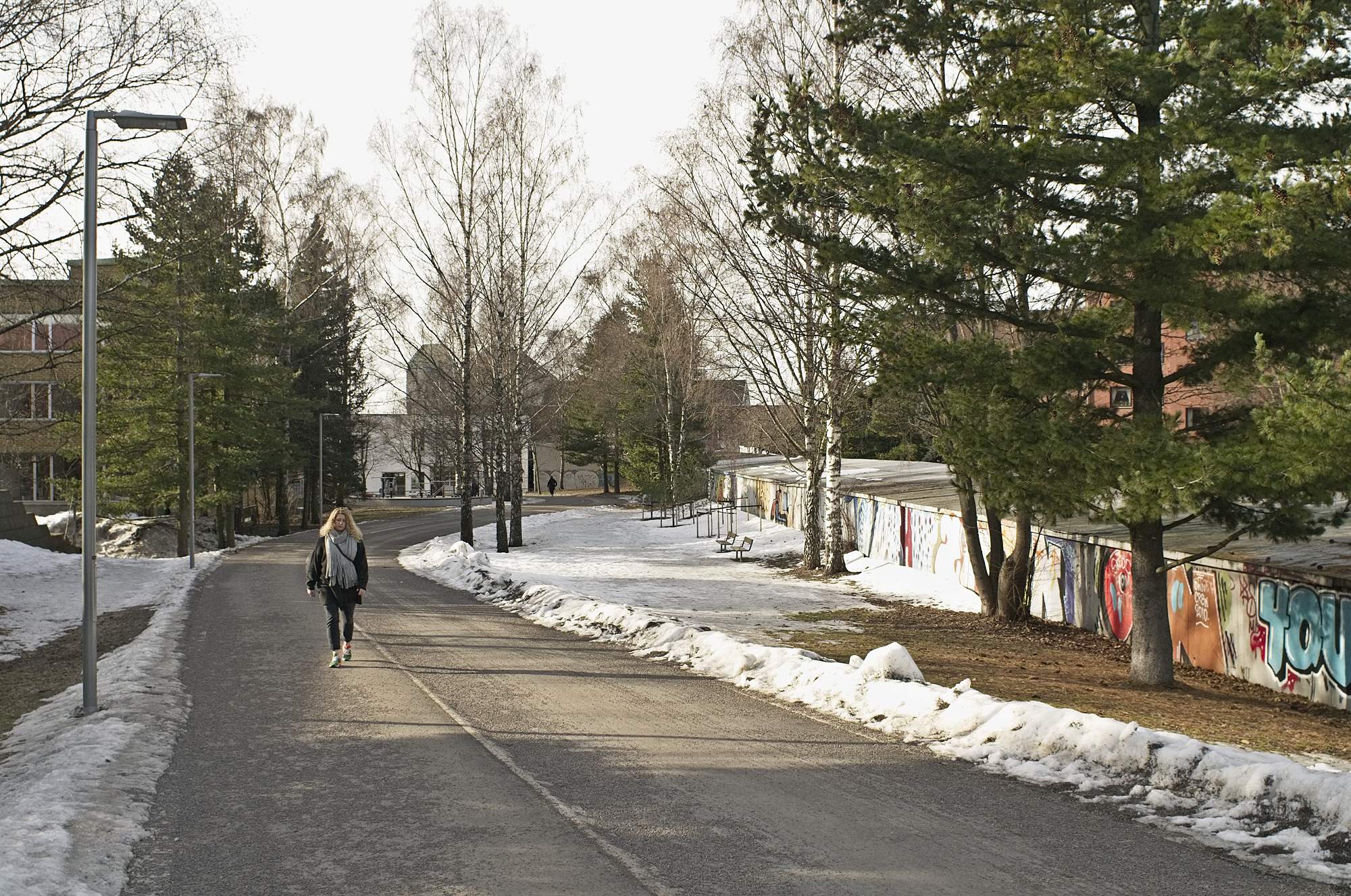
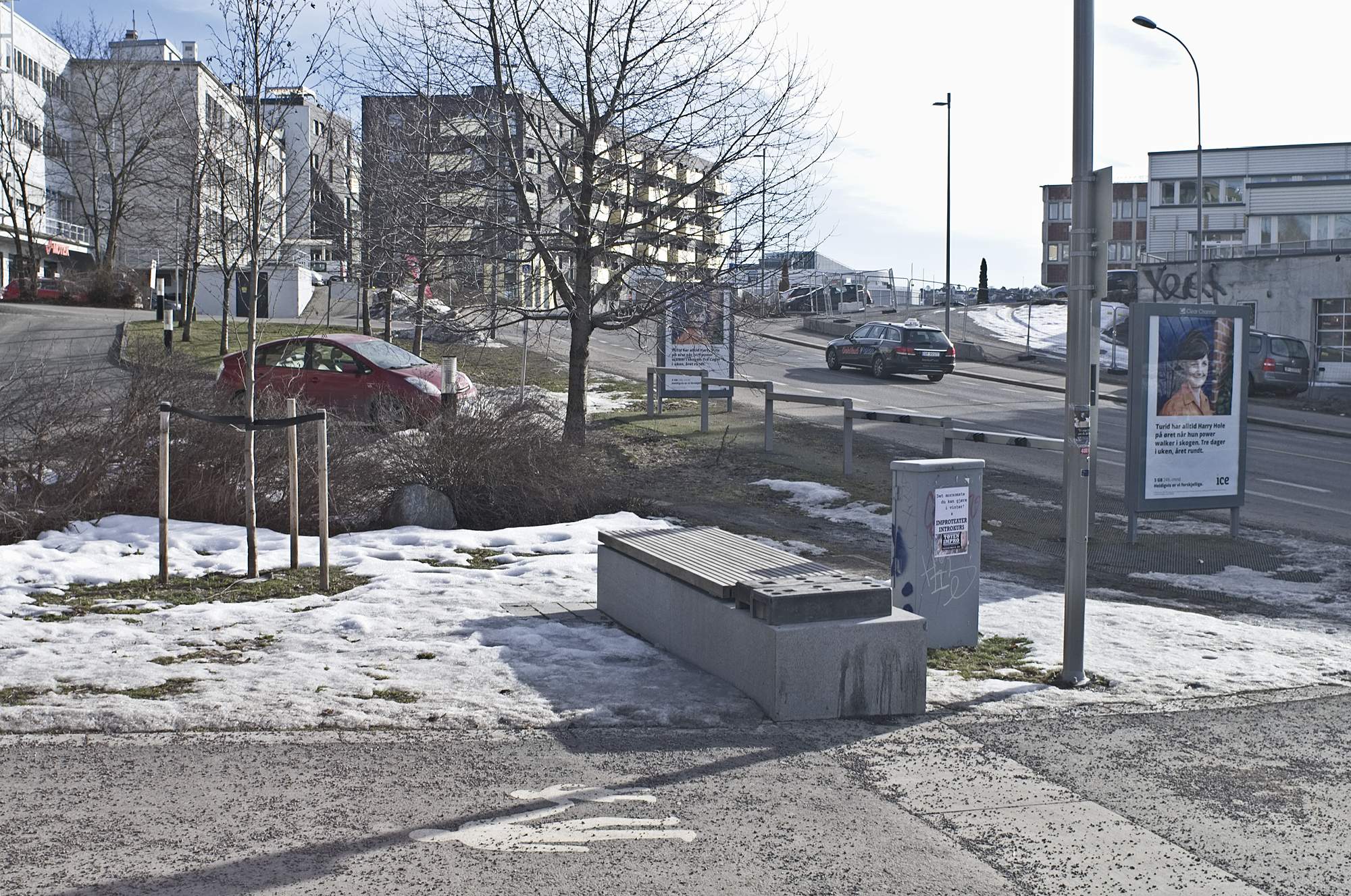
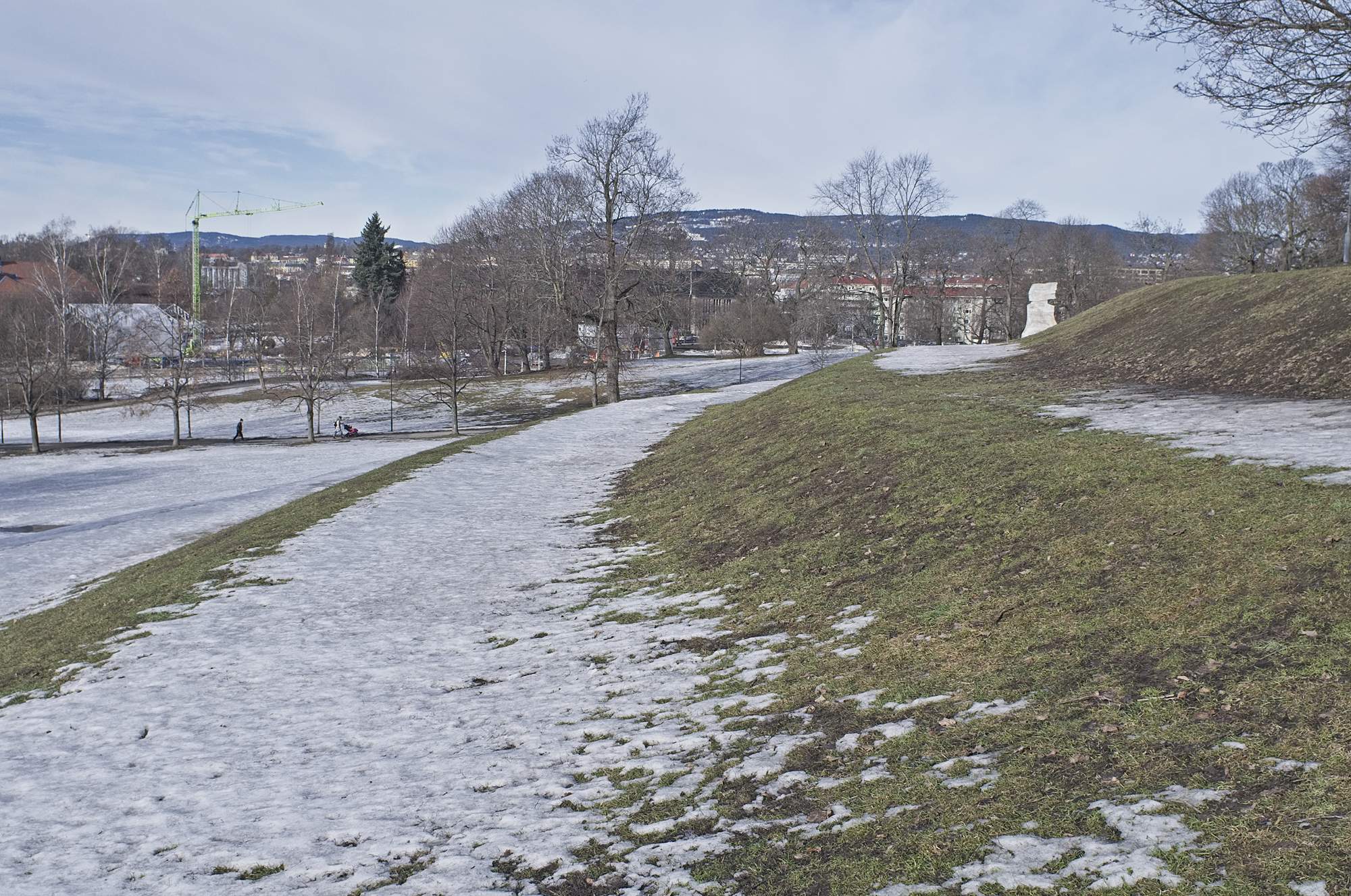
From Hasle via Hovinbyen to Tøyen
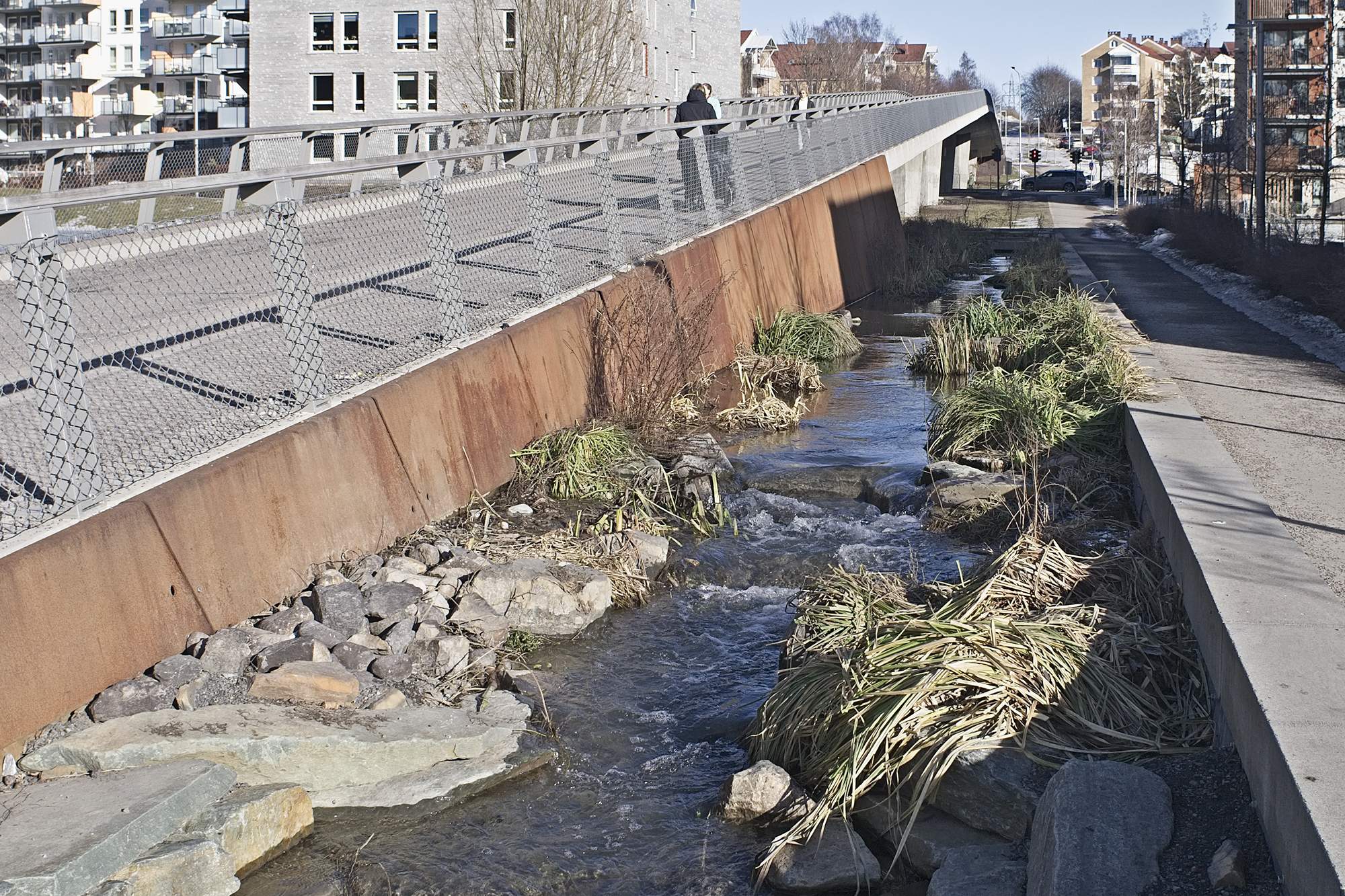
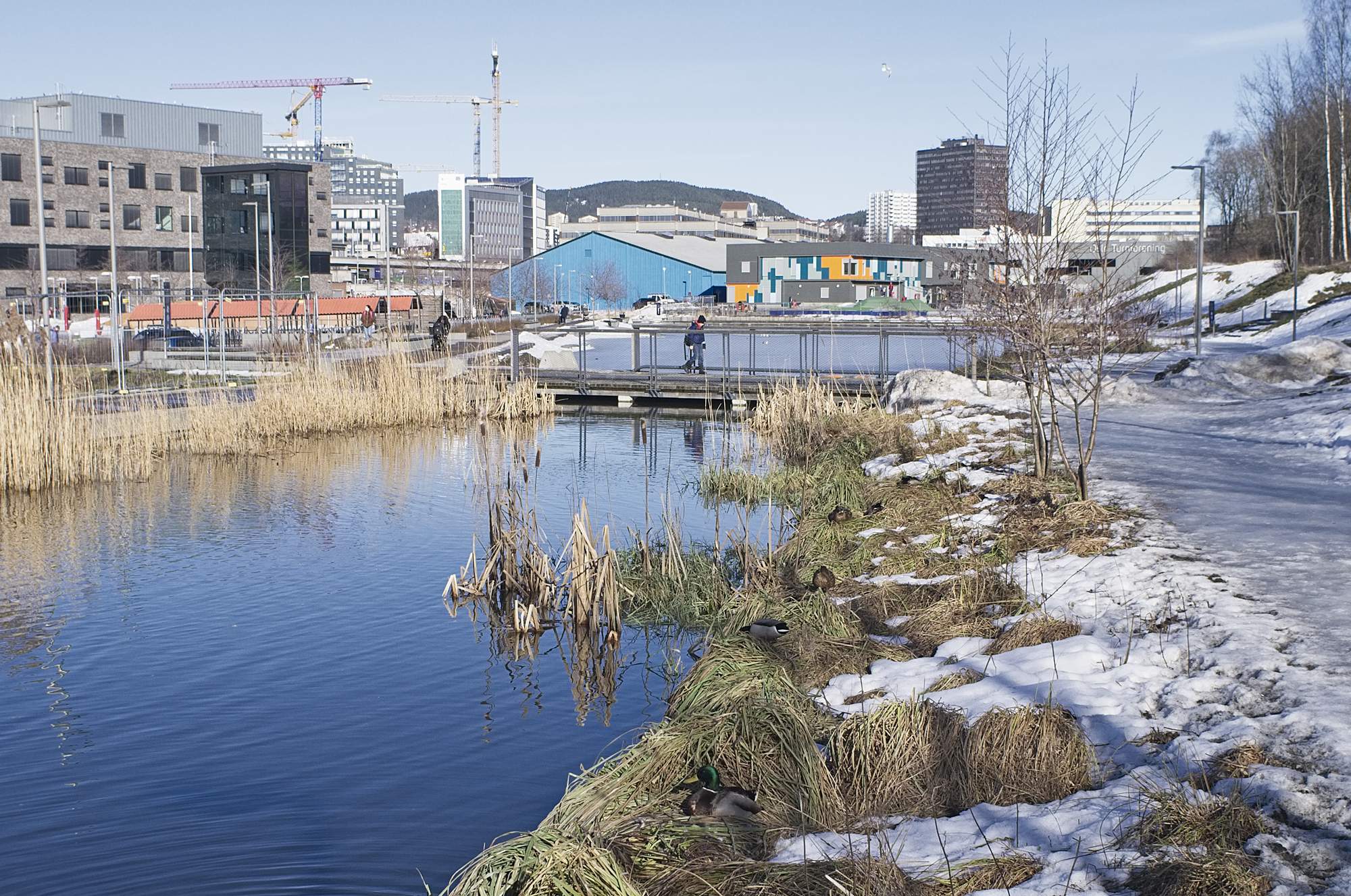
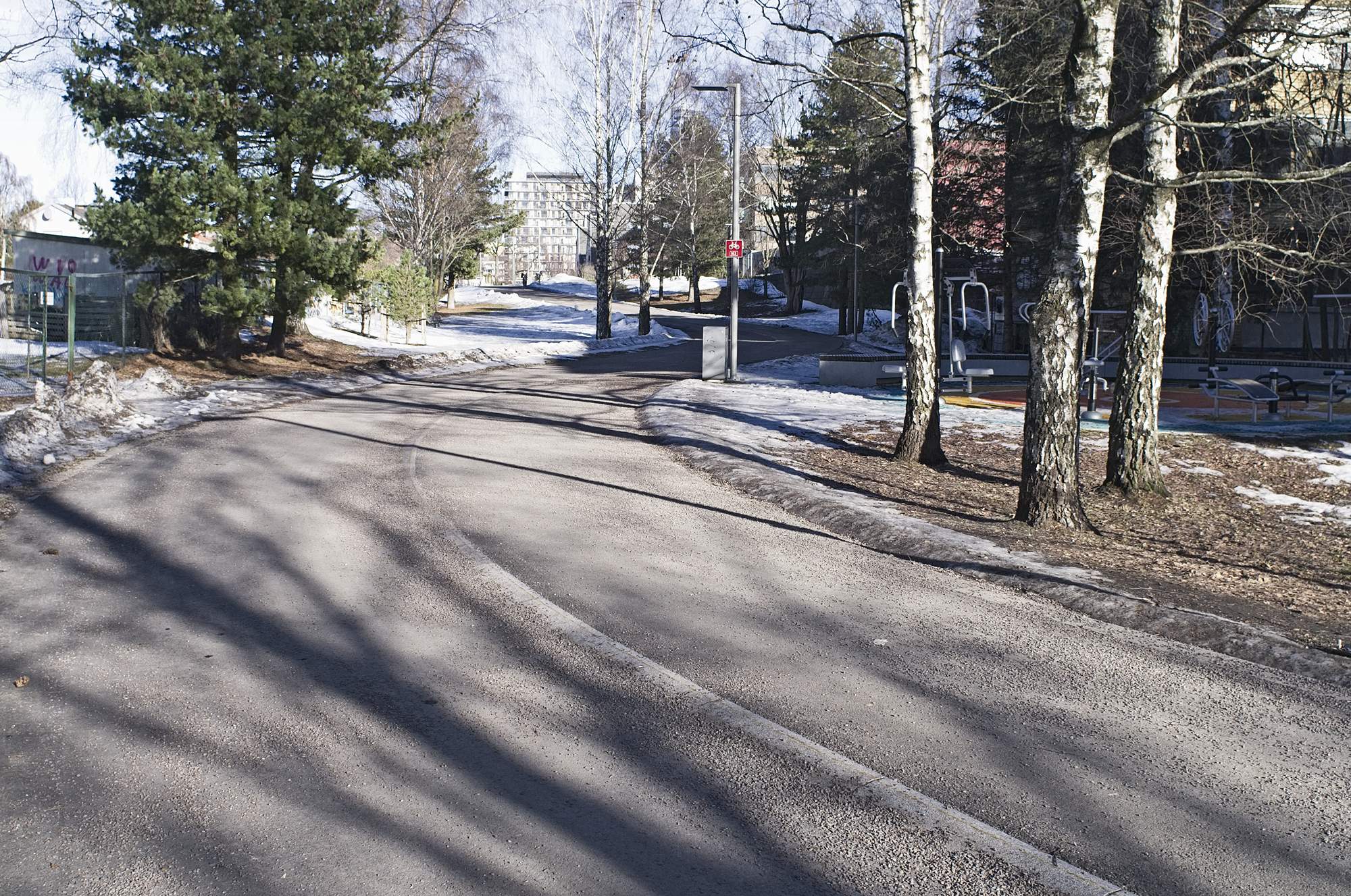
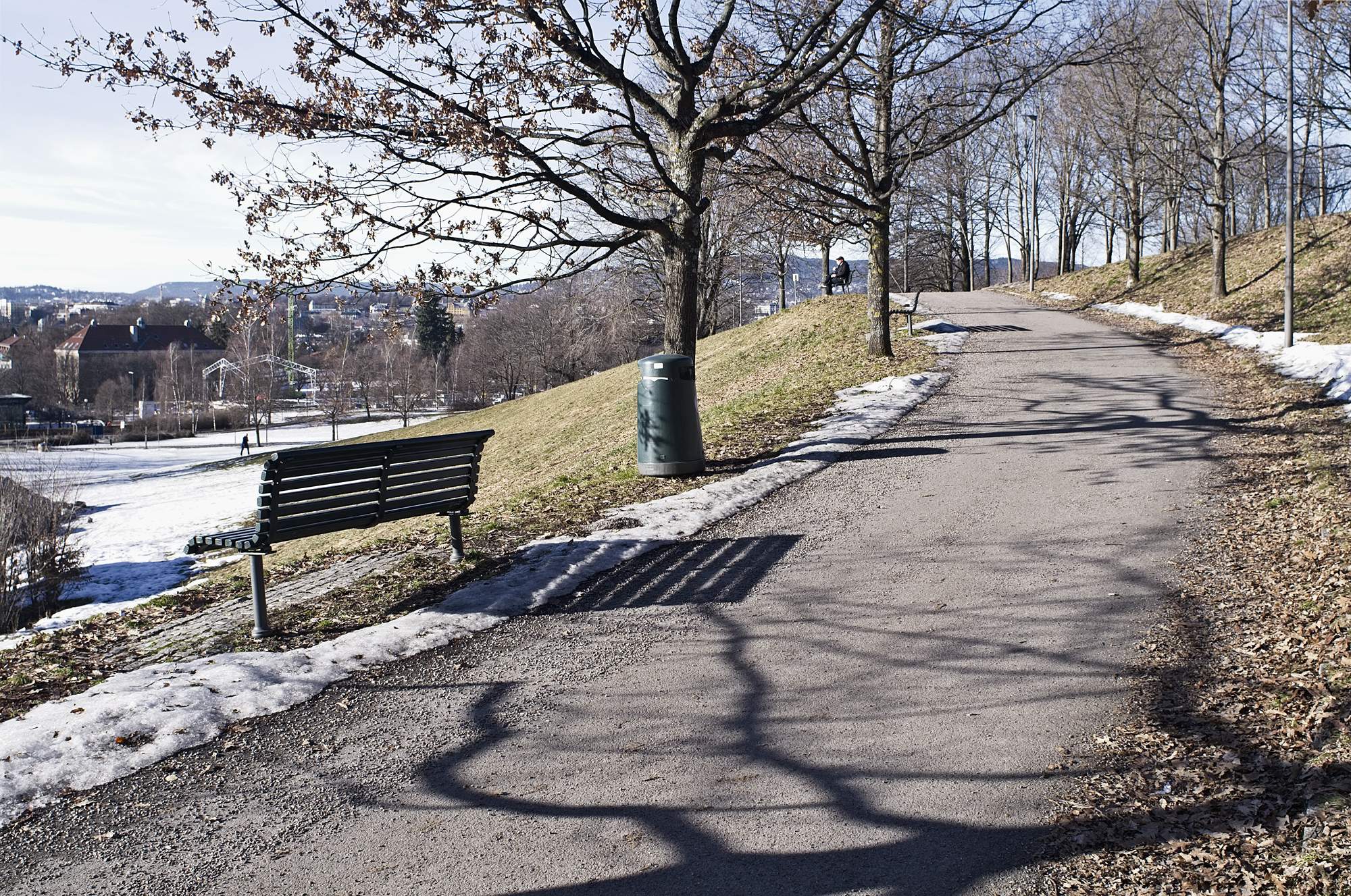
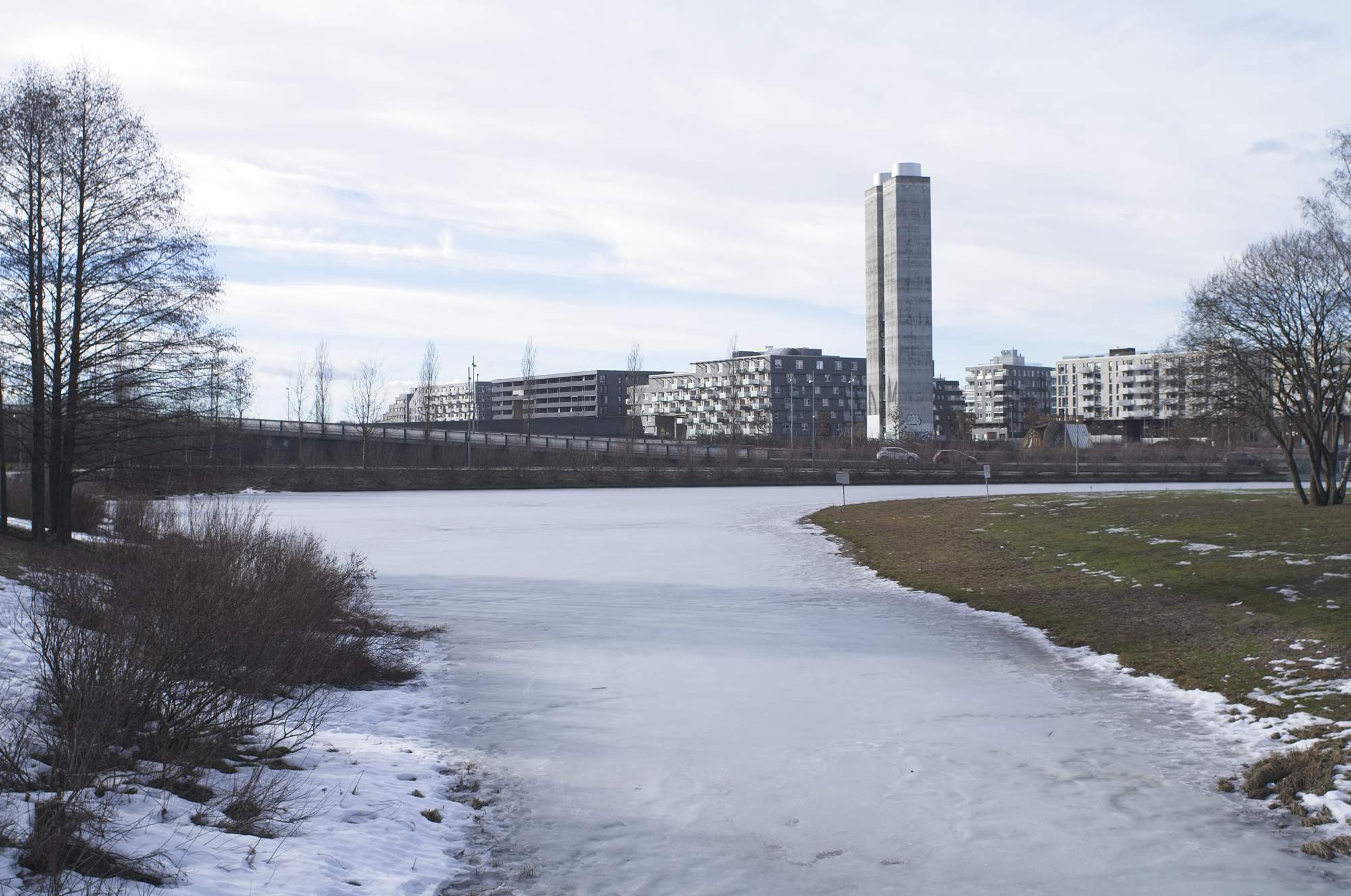
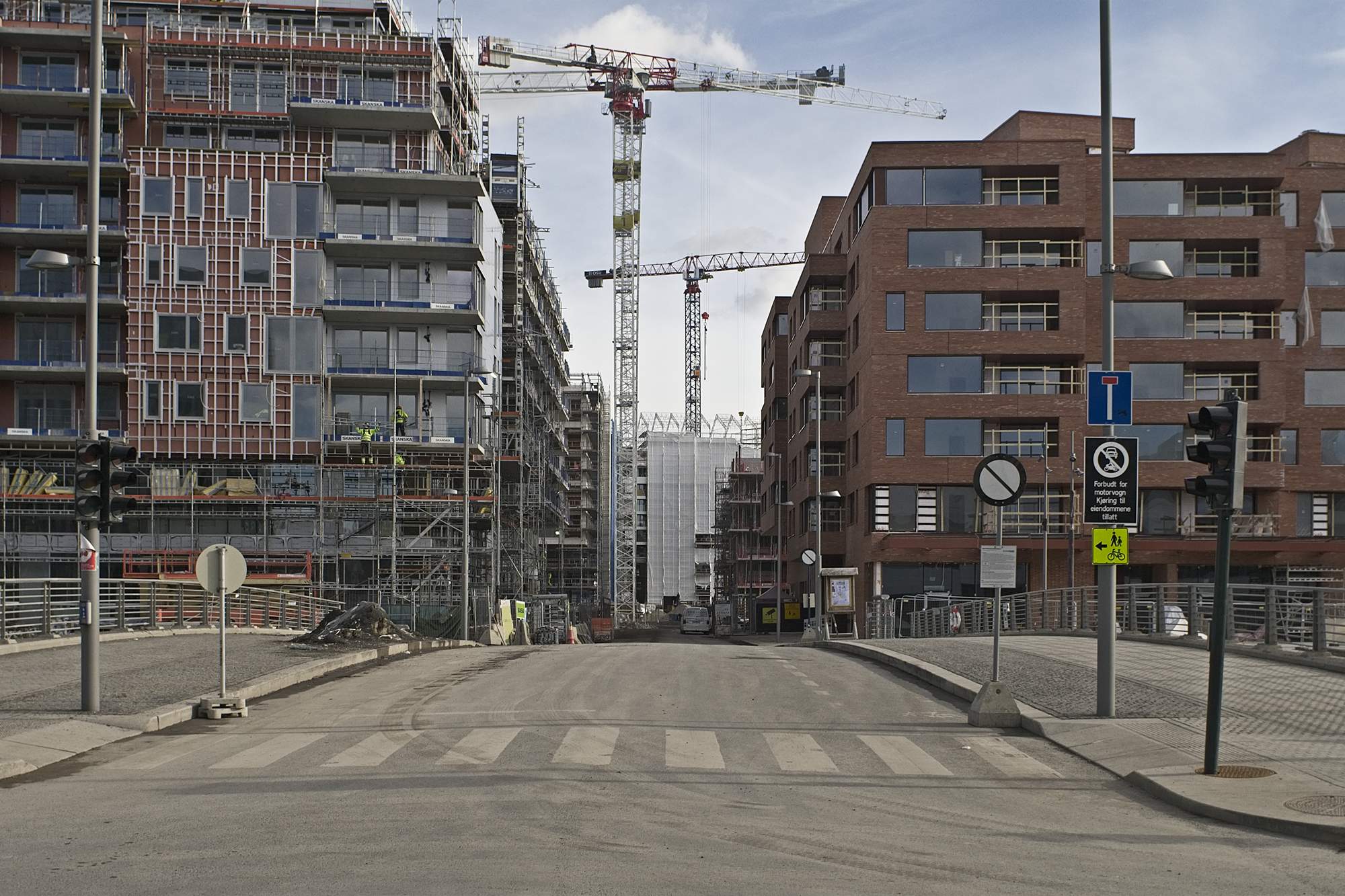
This walk takes you through a small part of Hovinbyen. In this significant development area, the urban fabric is changing from industrial sites to new jobs and housing units. The well-developed network of footpaths and cycle paths will help you experience and explore the diverse acoustic qualities of the area. You can listen to different residential and leisure areas in Hovin, Tidemannsparken and Lille Tøyen and hear how different constructions and building typologies have led to varying qualities of the acoustic environment. You will finish the tour in Tøyenparken, a natural acoustic arena where you can hear countless voices and other human sounds on beautiful summer and winter days.
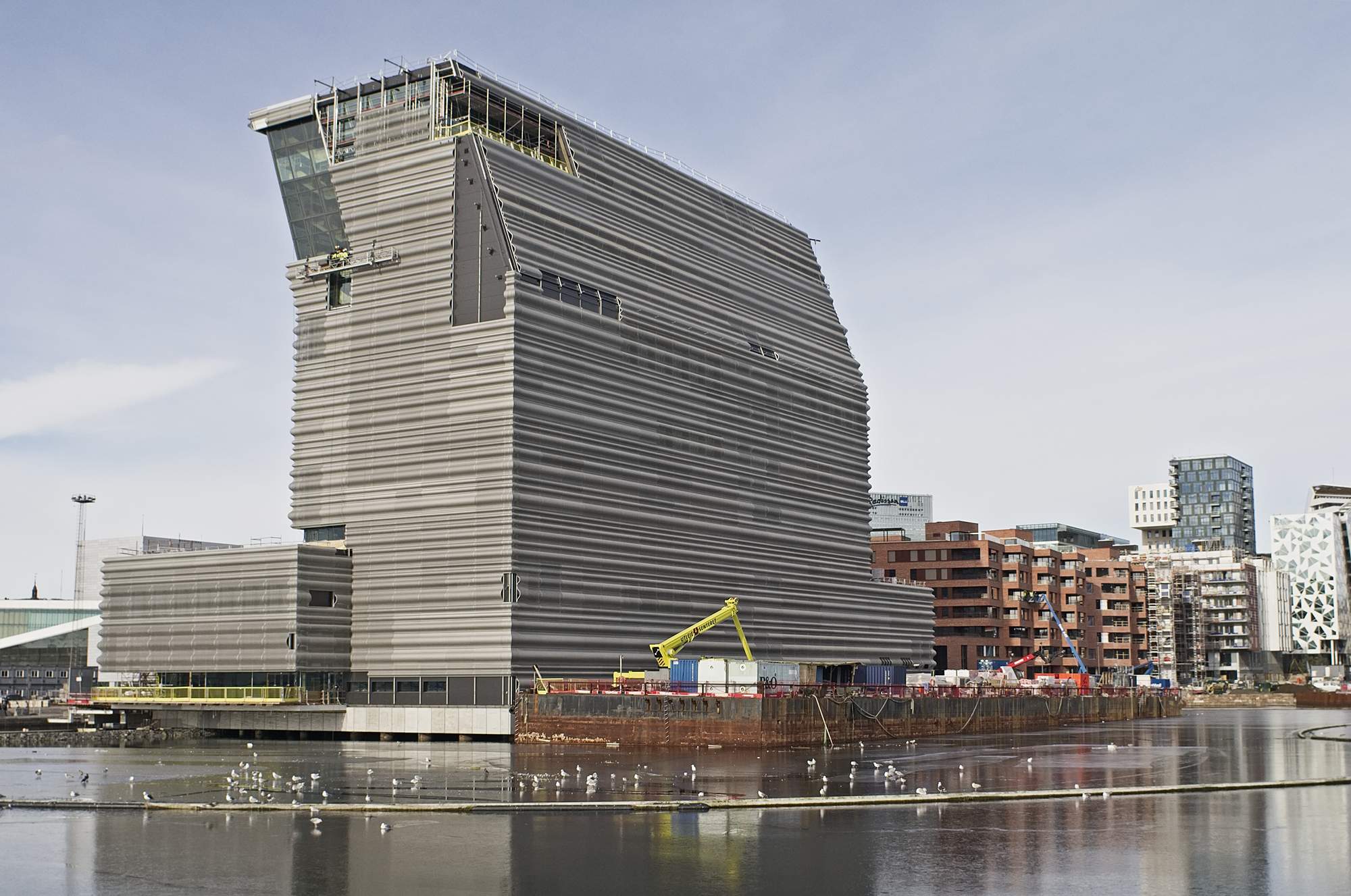
Start: Hasle T-Bane (metro station). End: Tøyenparken at the former Munch Museum.
Download the walk map (PDF).
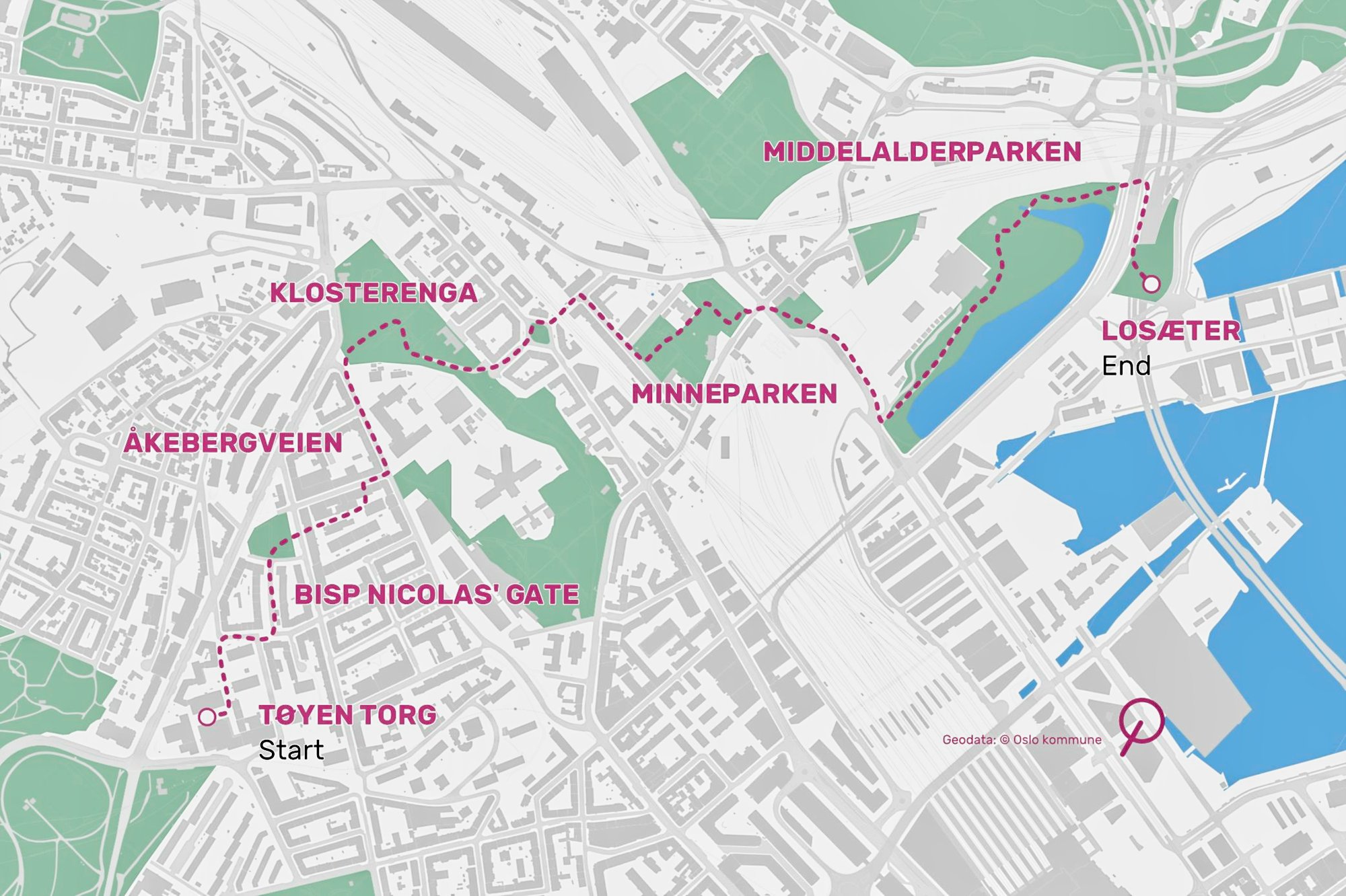
From Tøyen via Gamlebyen to Sørenga
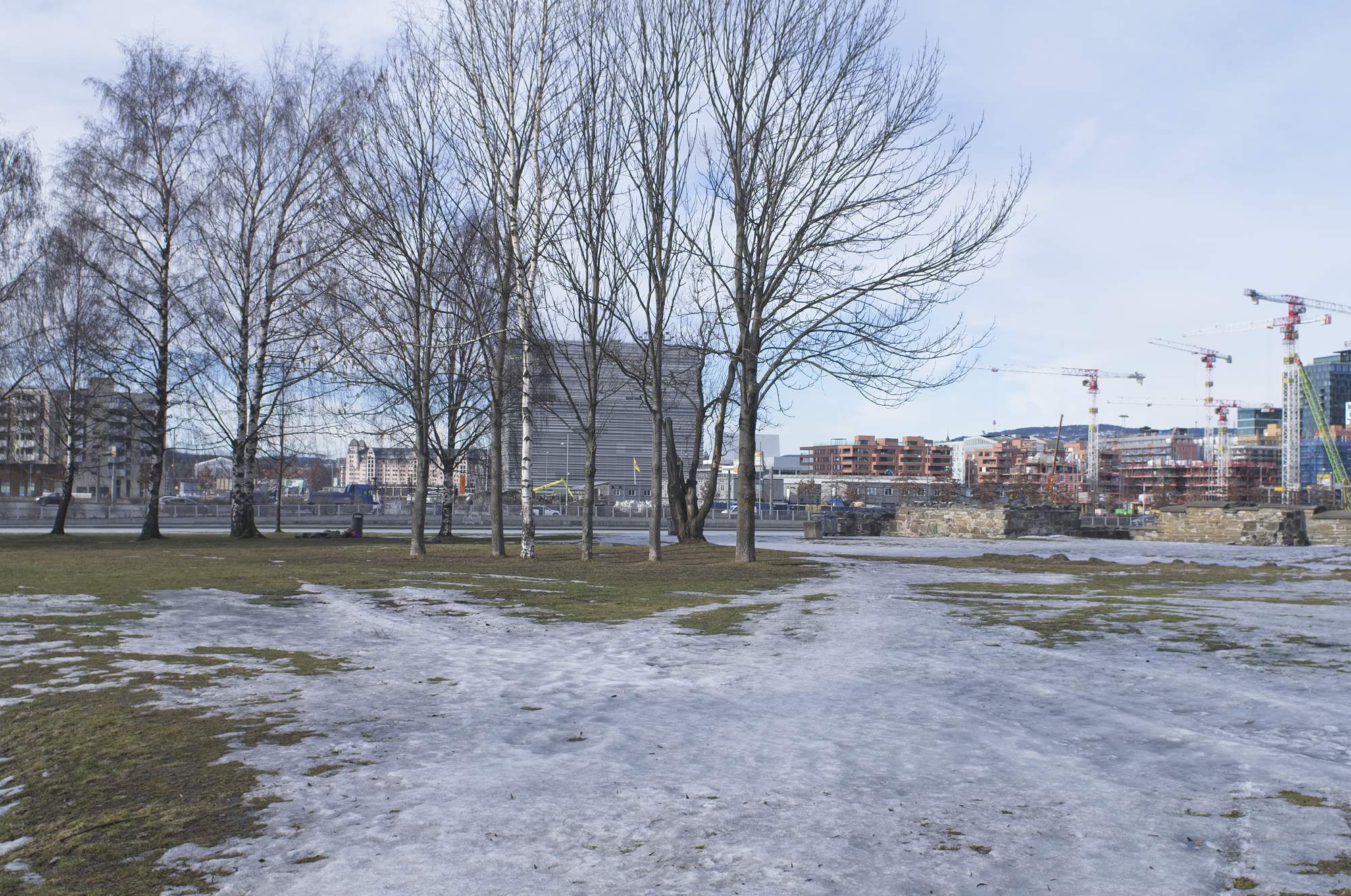
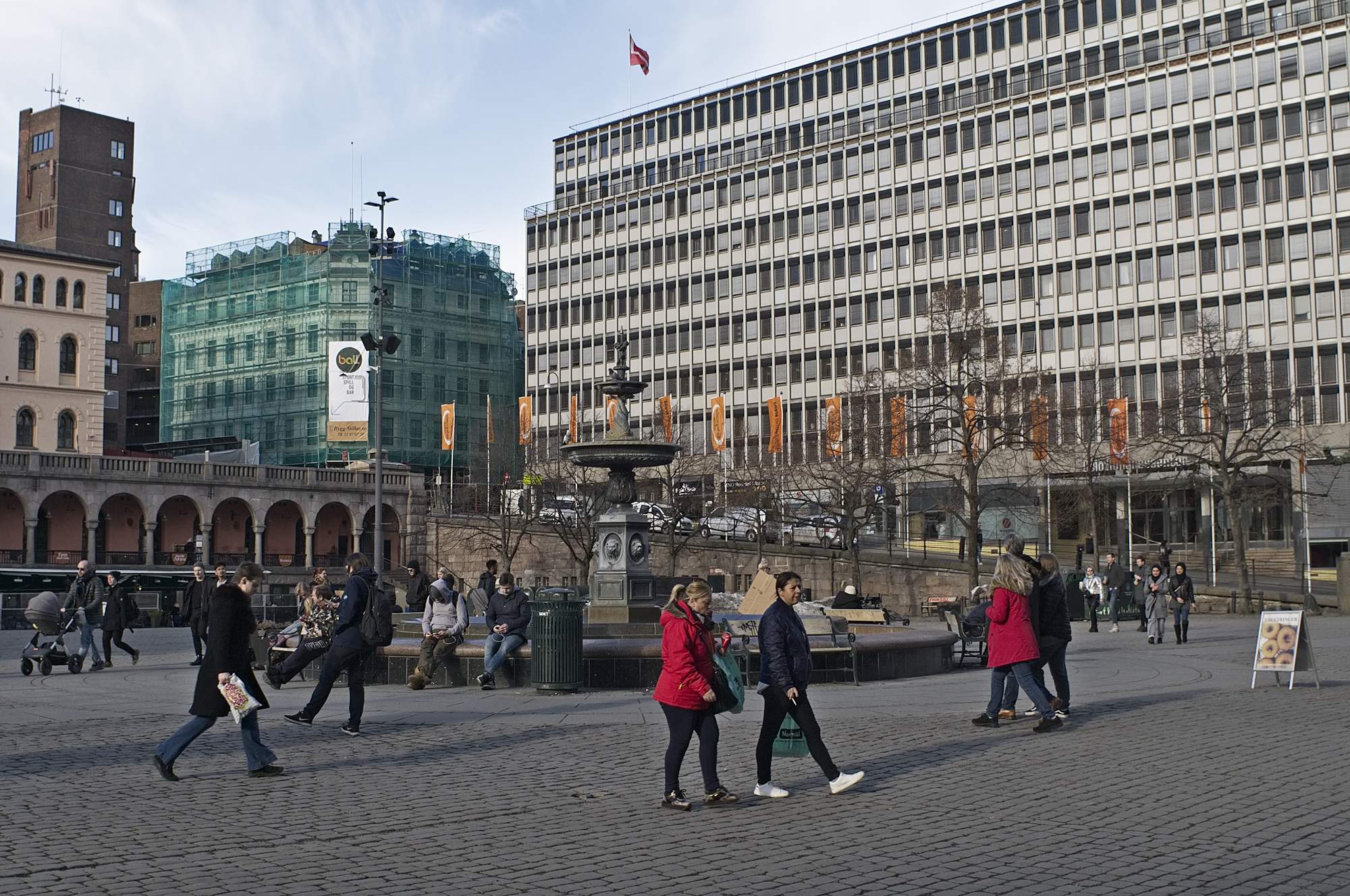
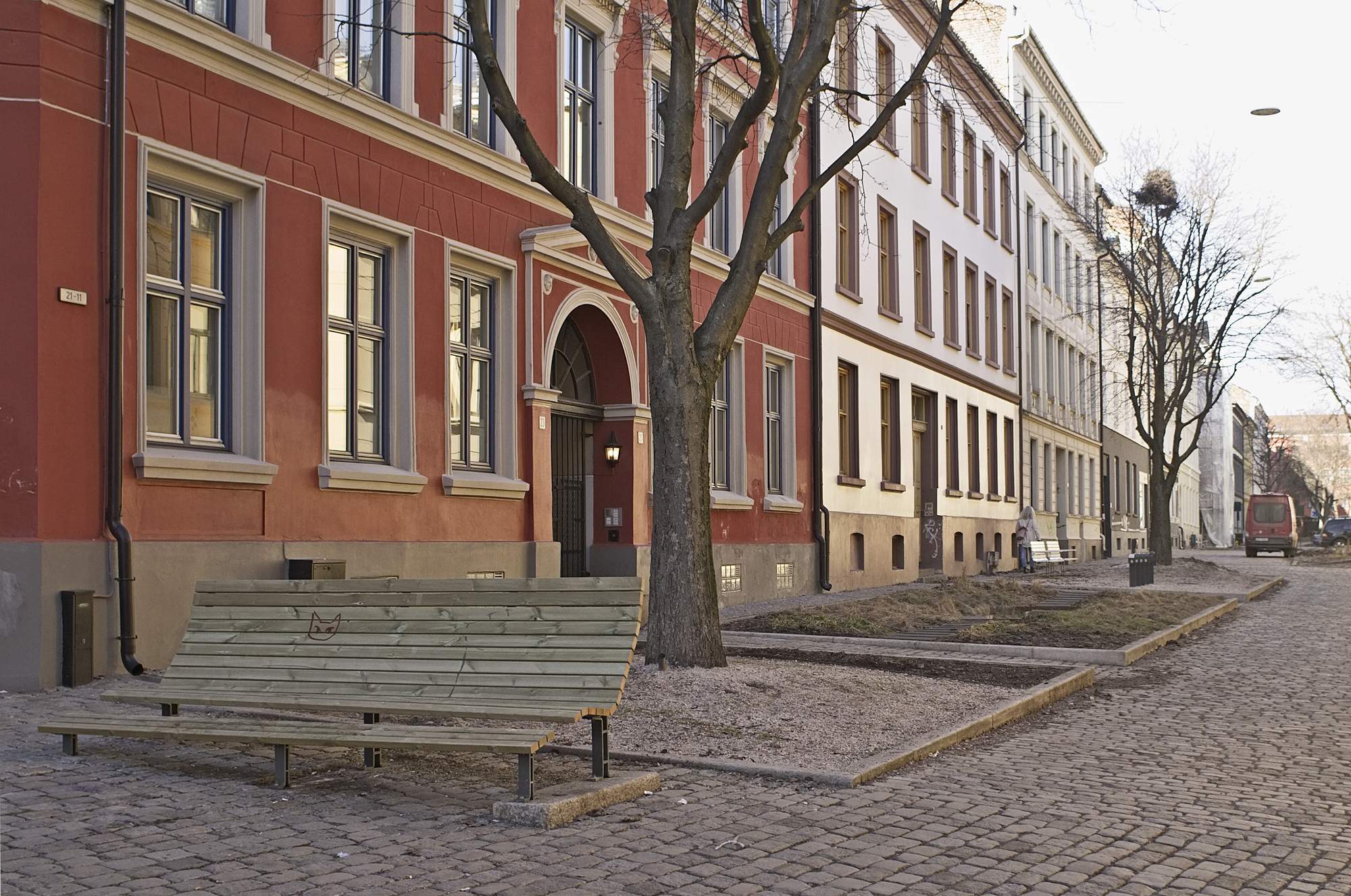
The inner-city areas of Tøyen and Gamlebyen have a dense urban fabric with older buildings and infrastructure of various sizes, shapes and materials. These built conditions result in an acoustic environment that is both diverse and coherent. The walk takes you through blue and green parks for young and old. On your way, you will cross Klosterenga, Minneparken and Middelalderparken, where you can hear and observe the difference between Oslo’s current urban fabric and the urban structure built in the 19th century. Oslo municipality designated Middelalderparken as one of 14 quiet areas of Oslo, which are located along creeks and rivers and connect the fjord with the forest areas around Oslo.
Start: Tøyen Torg. End: Losæter park at the public bakehouse.
Download the walk map (PDF).
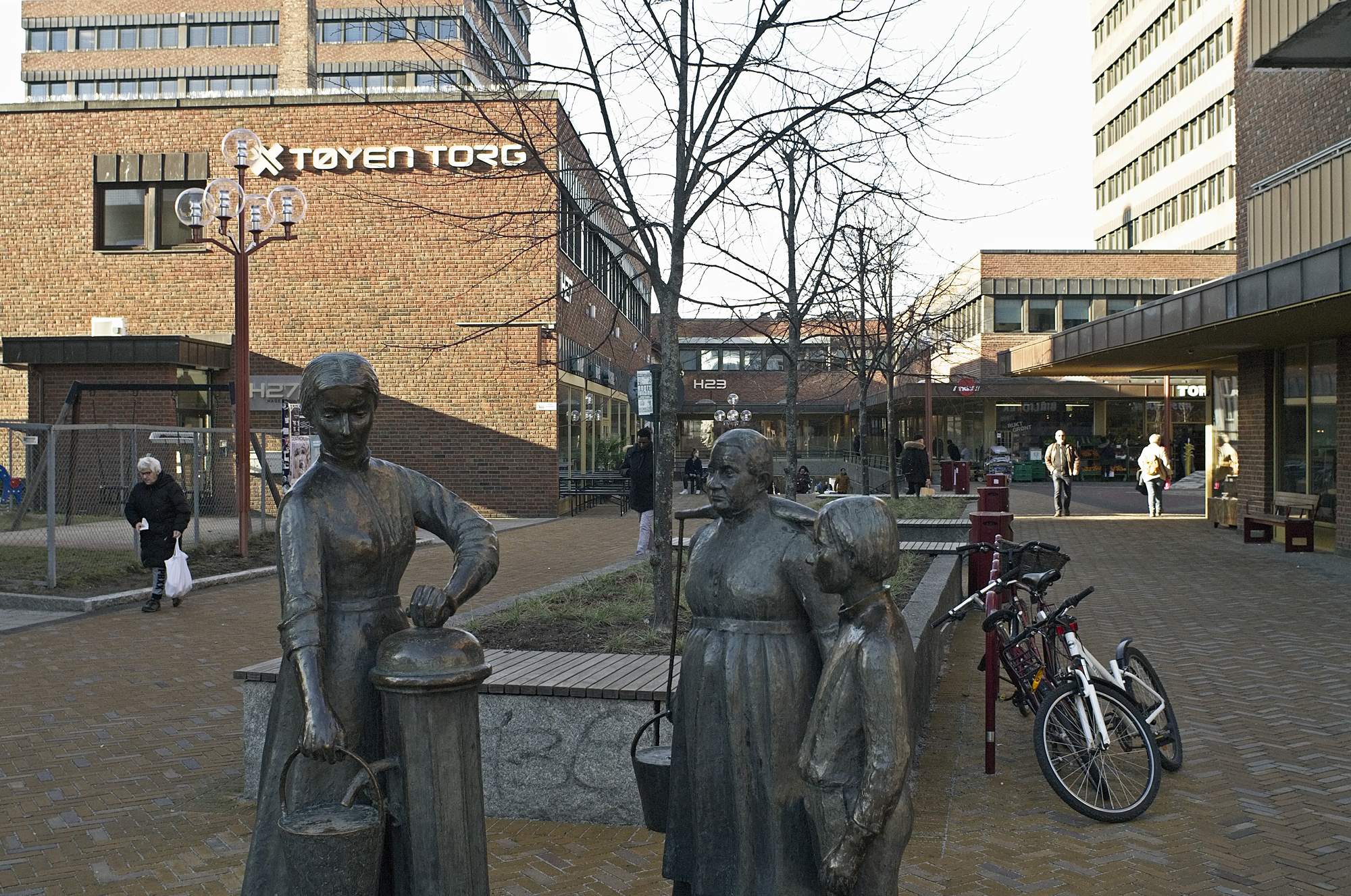
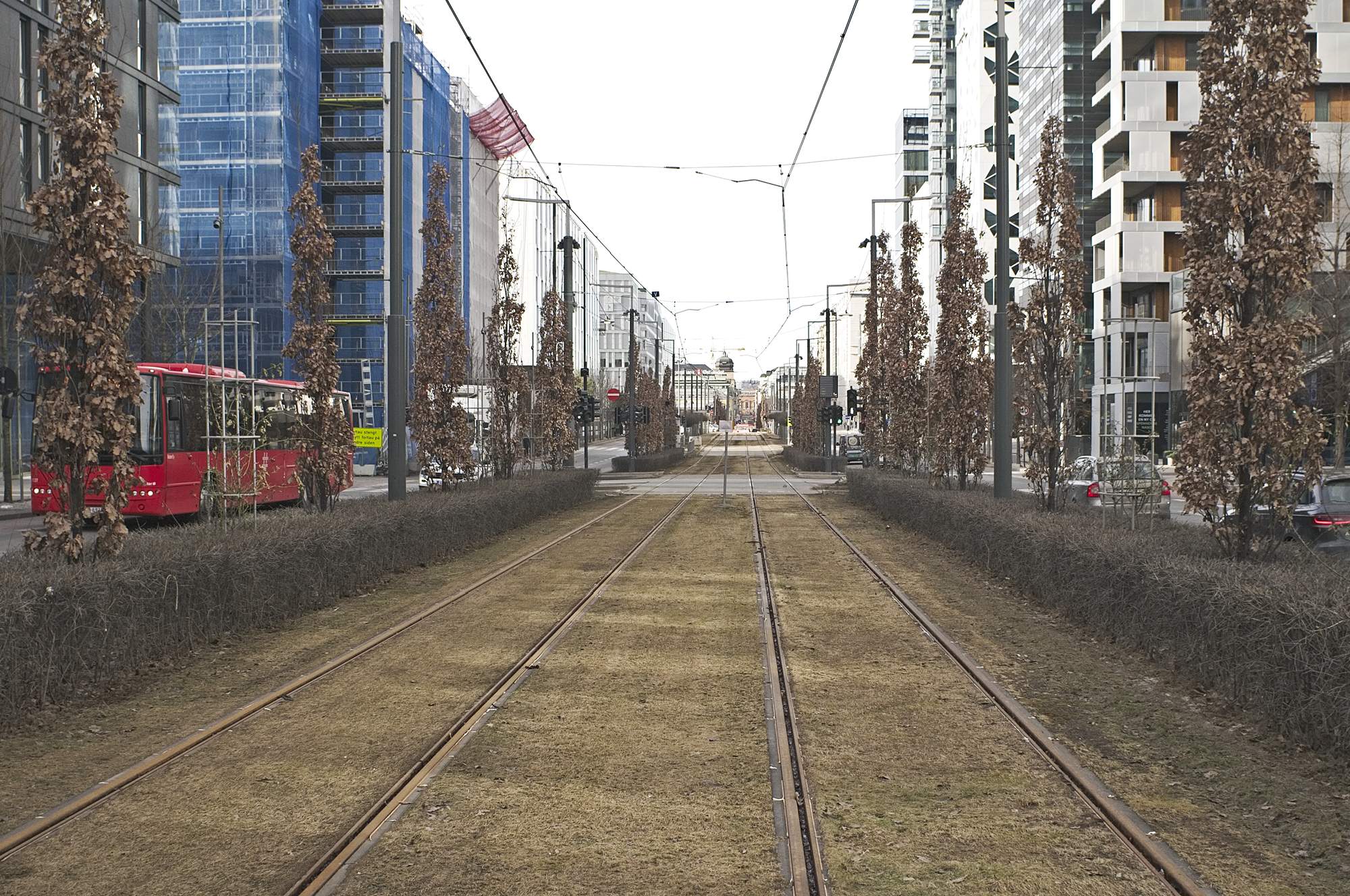
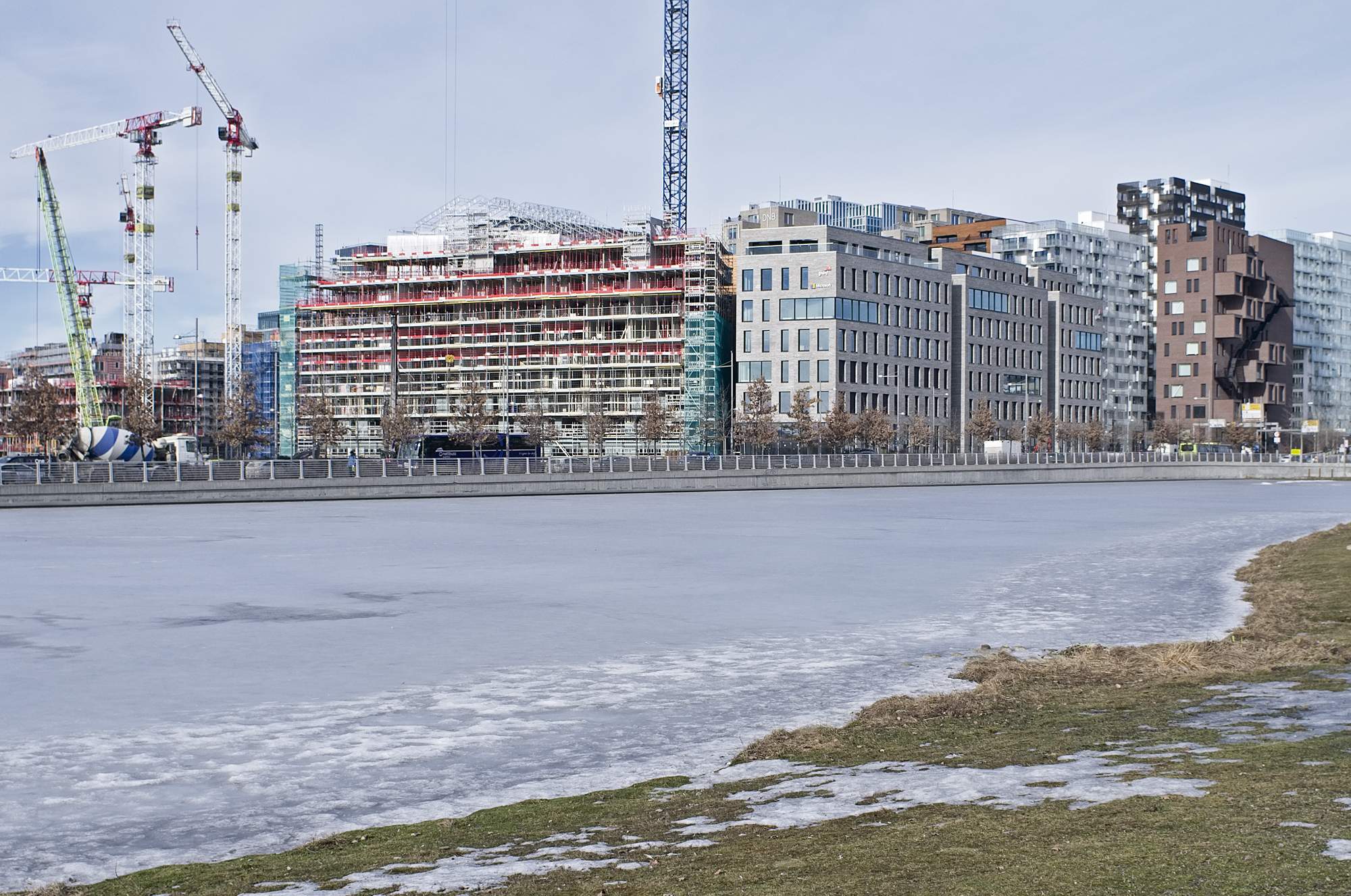
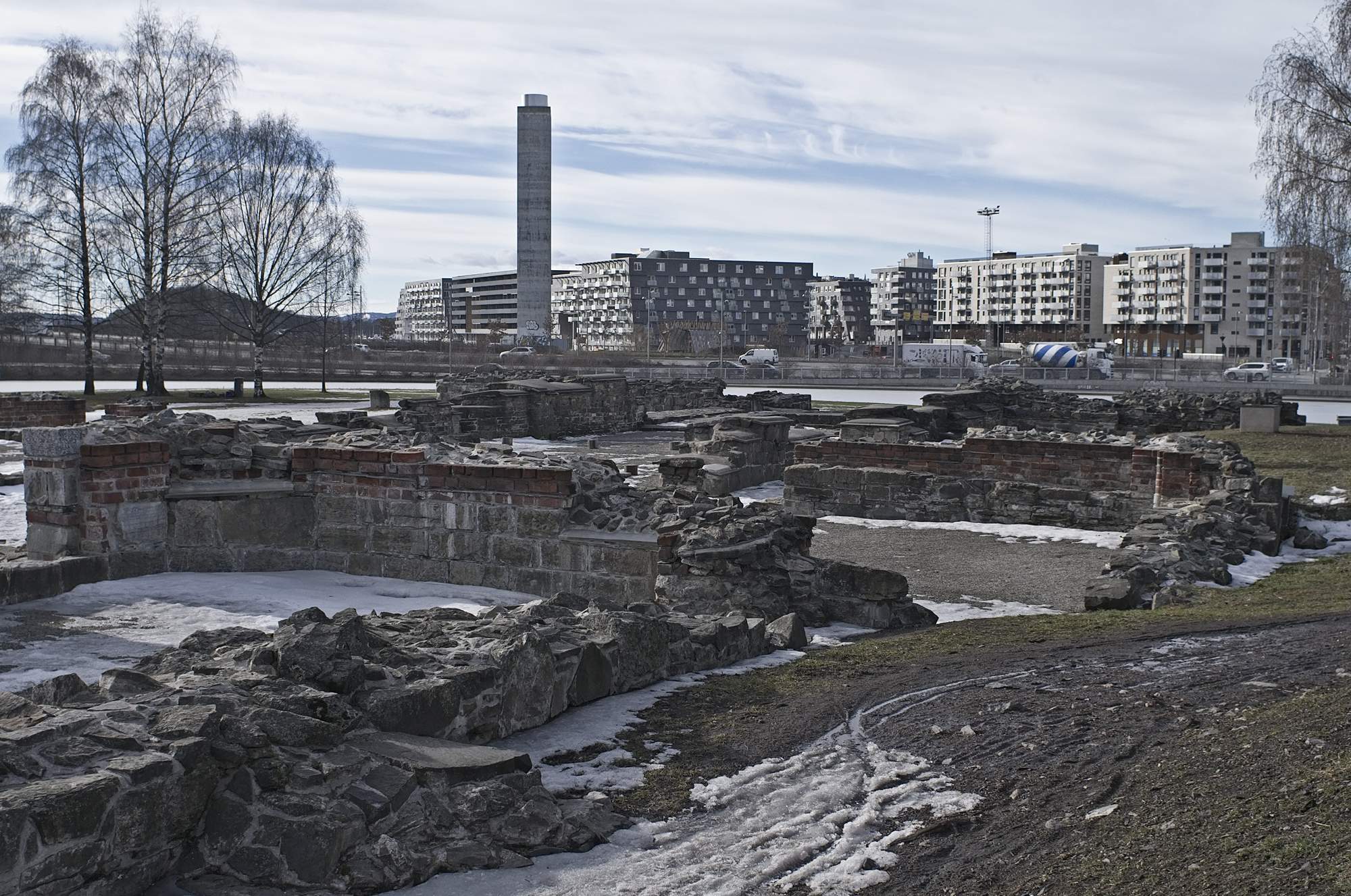
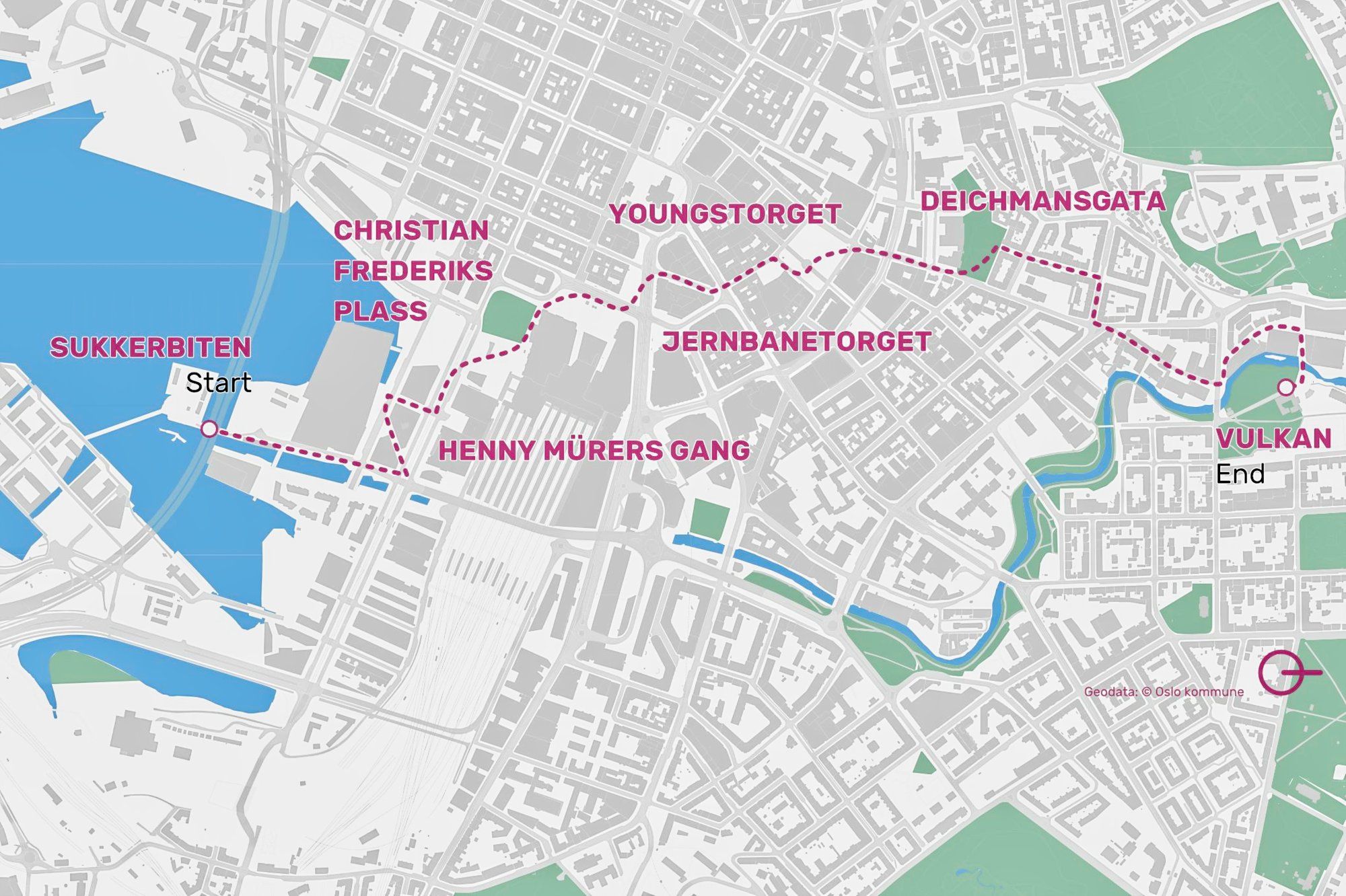
From Fjordbyen to Akerselva
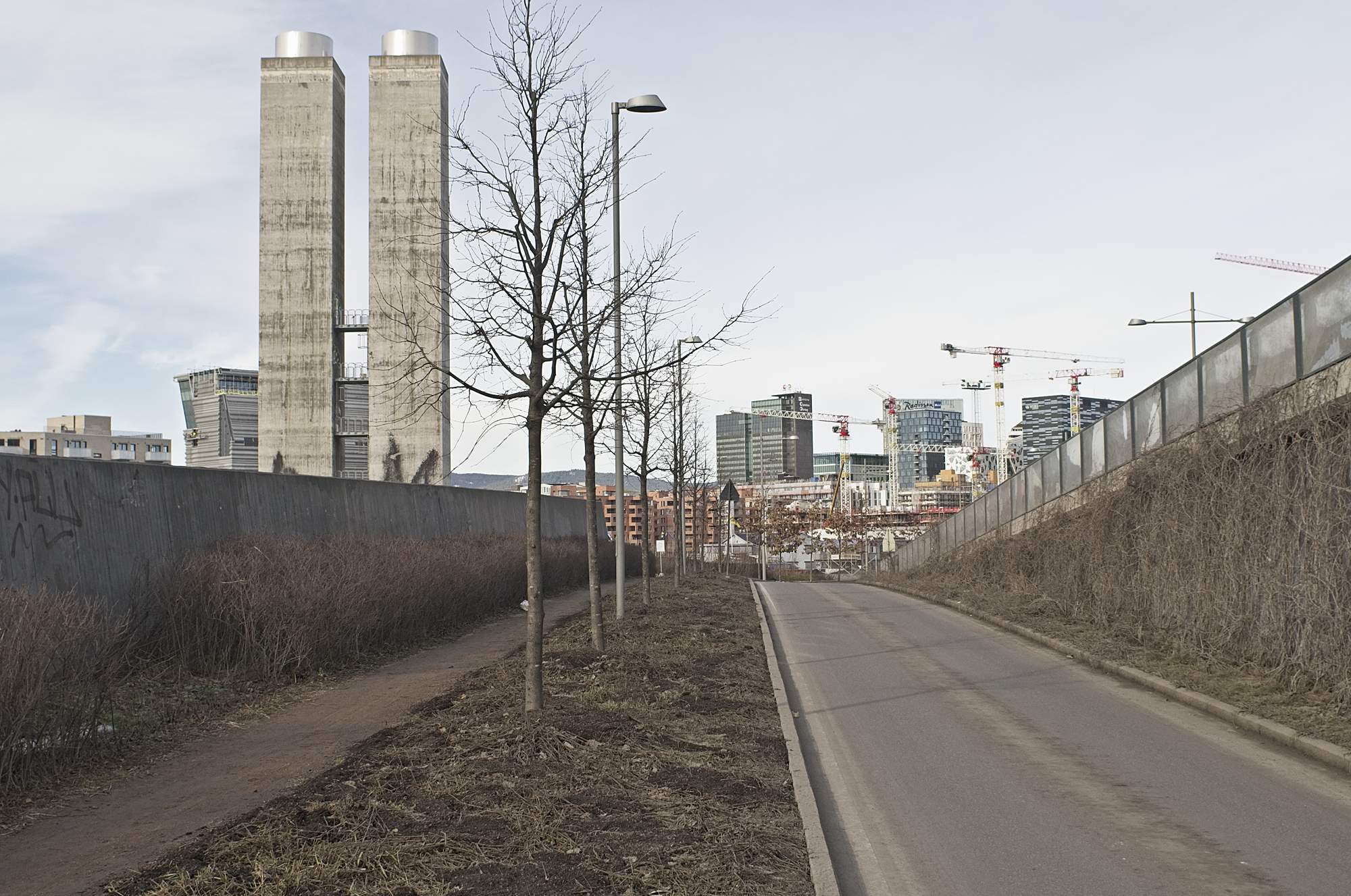
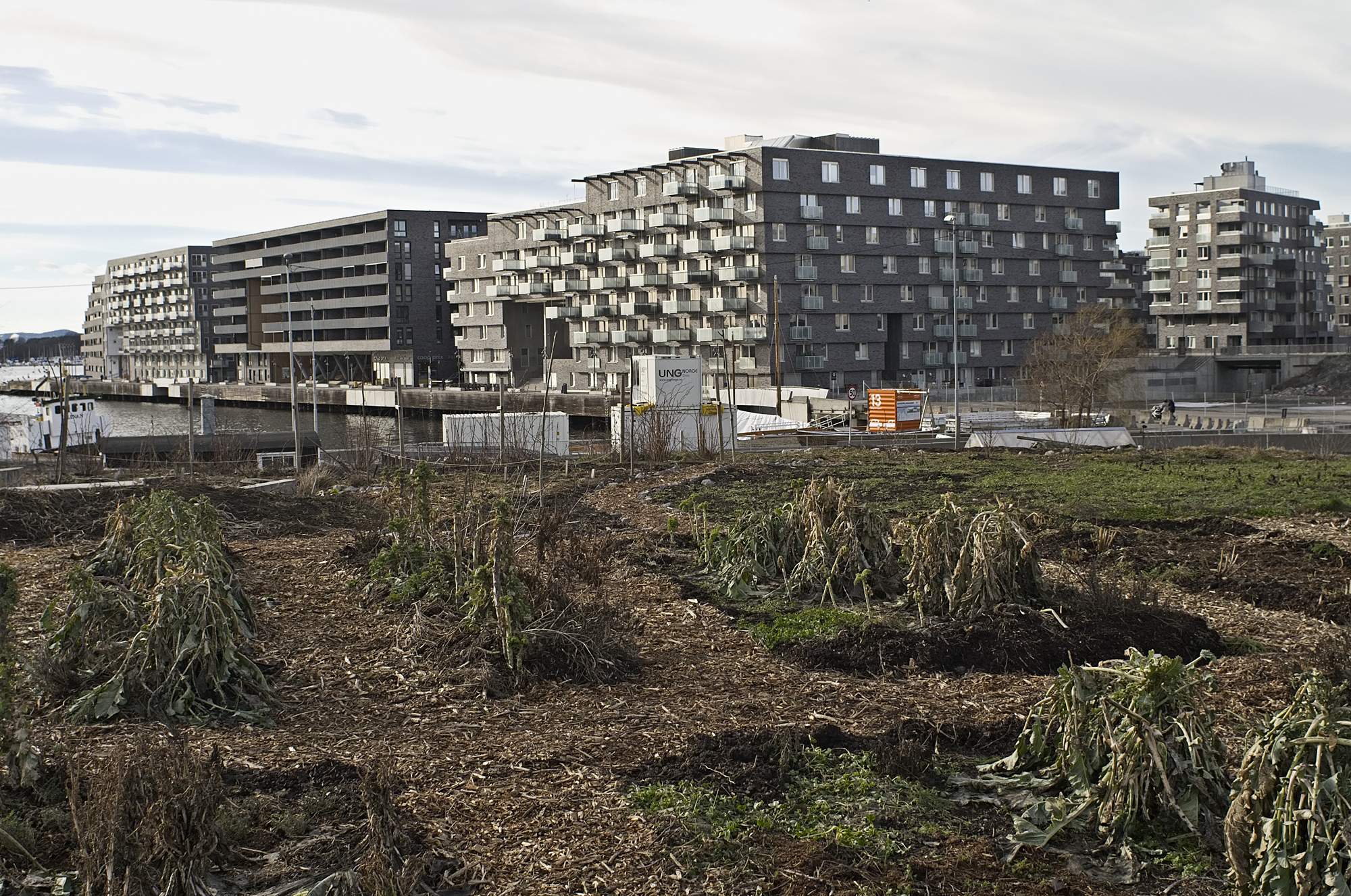
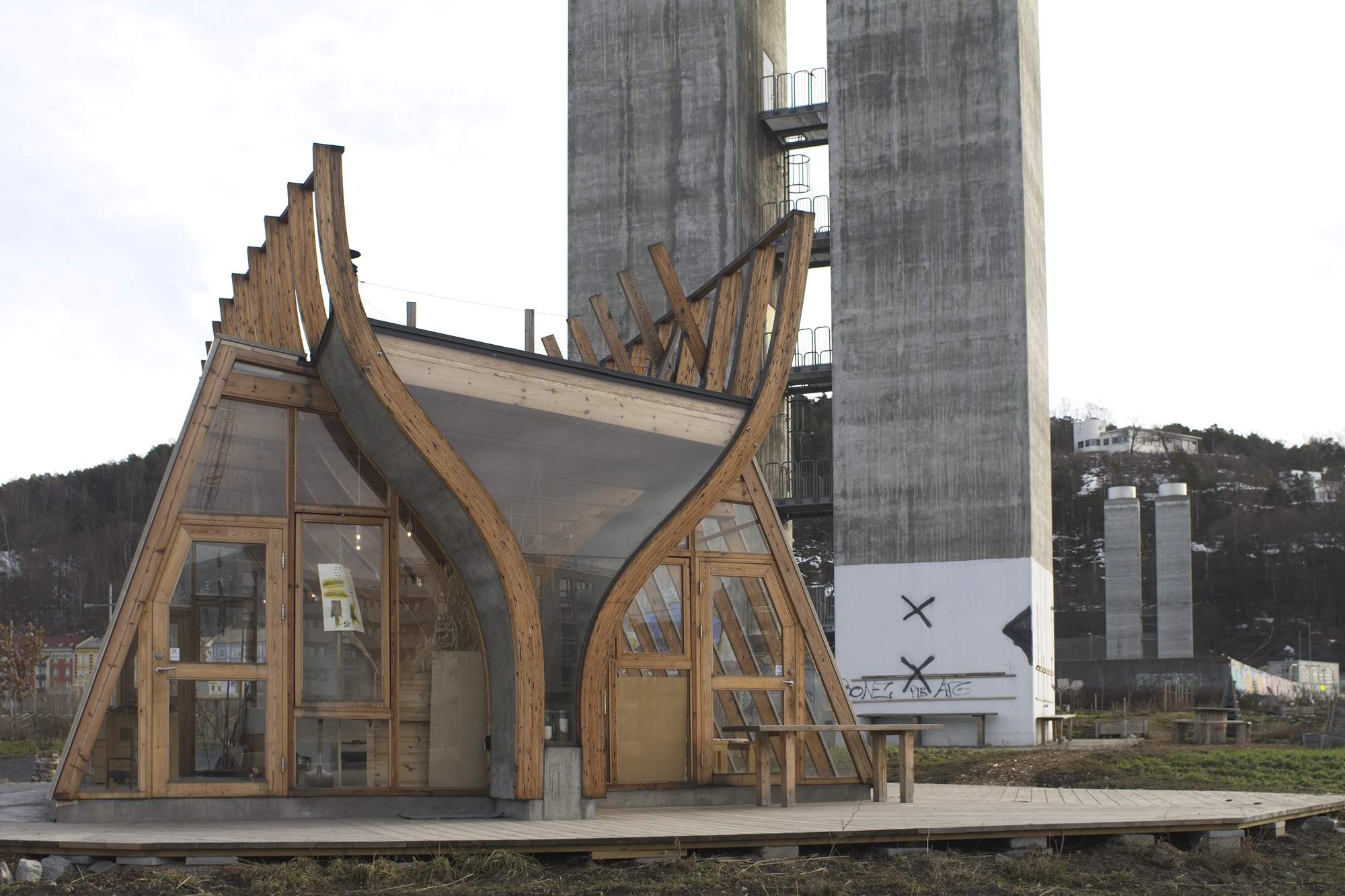
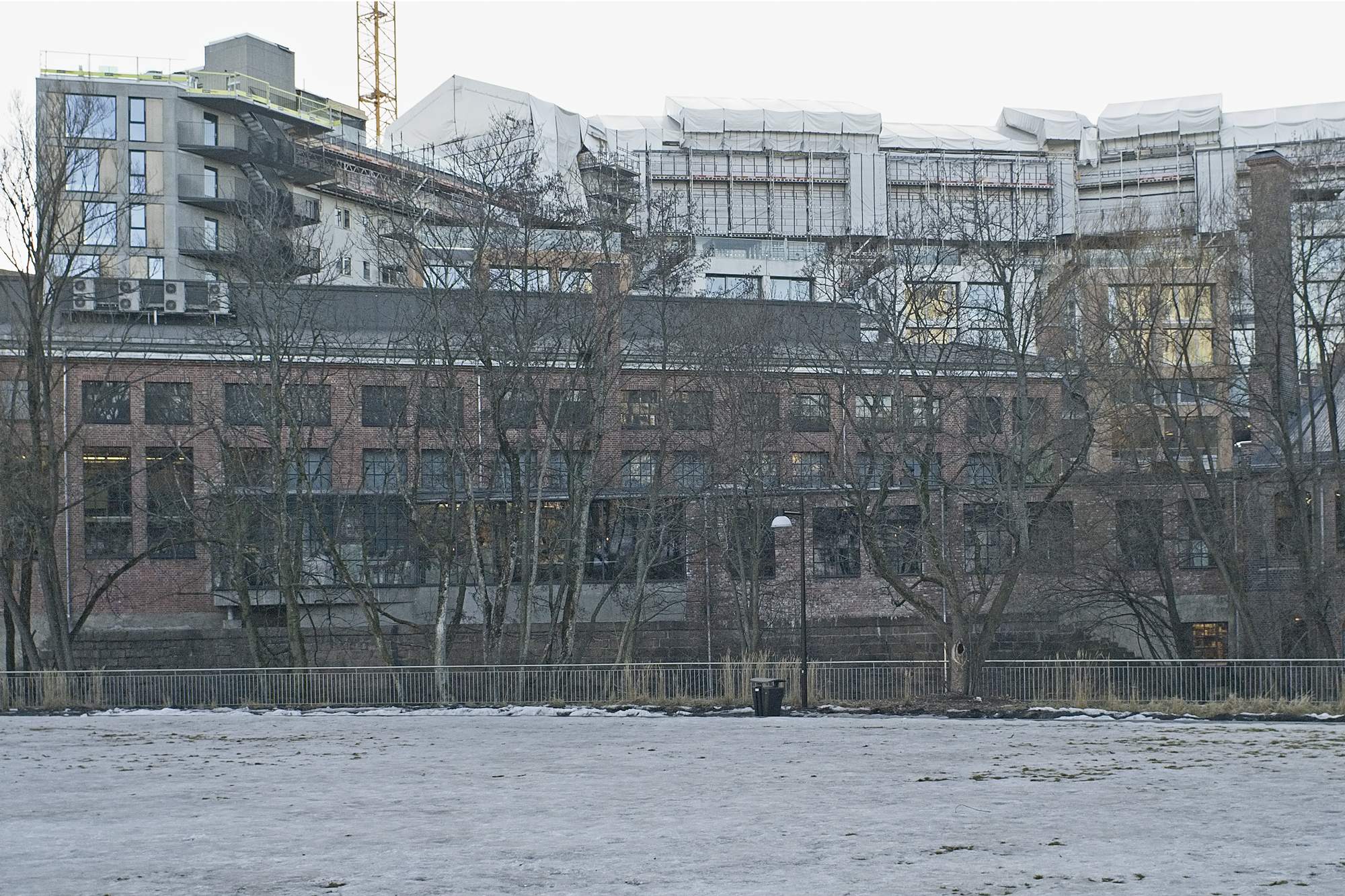
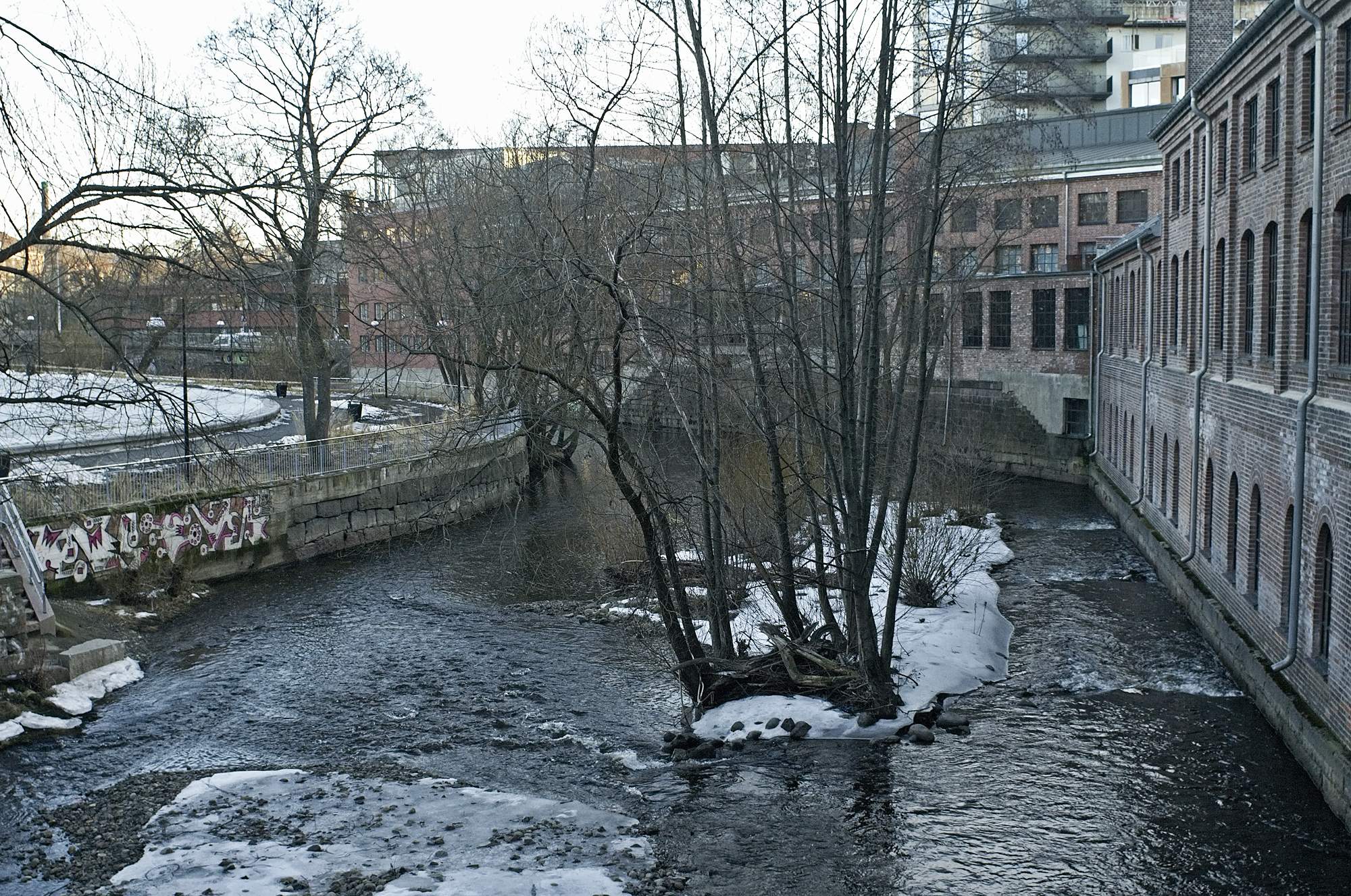
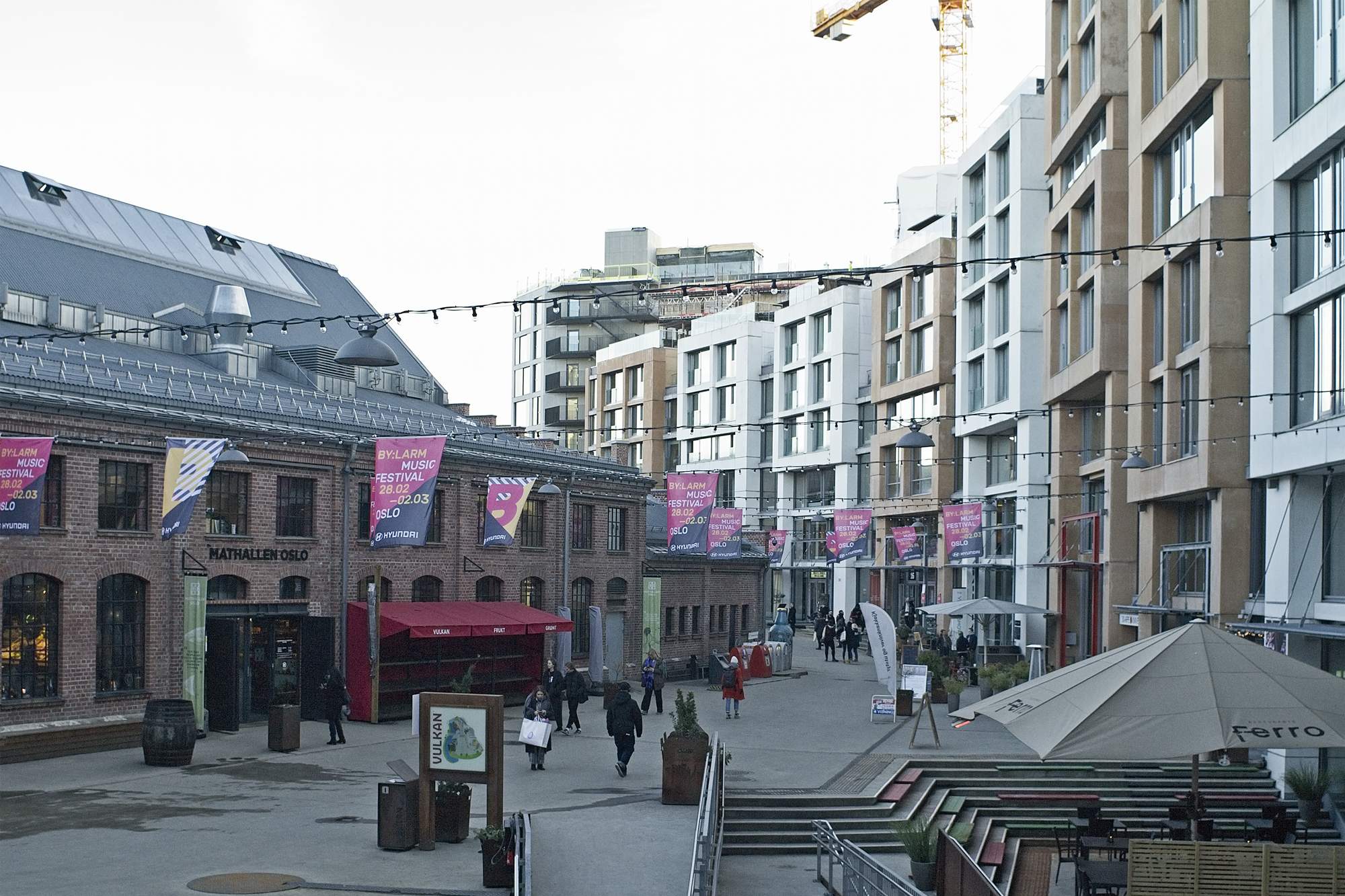
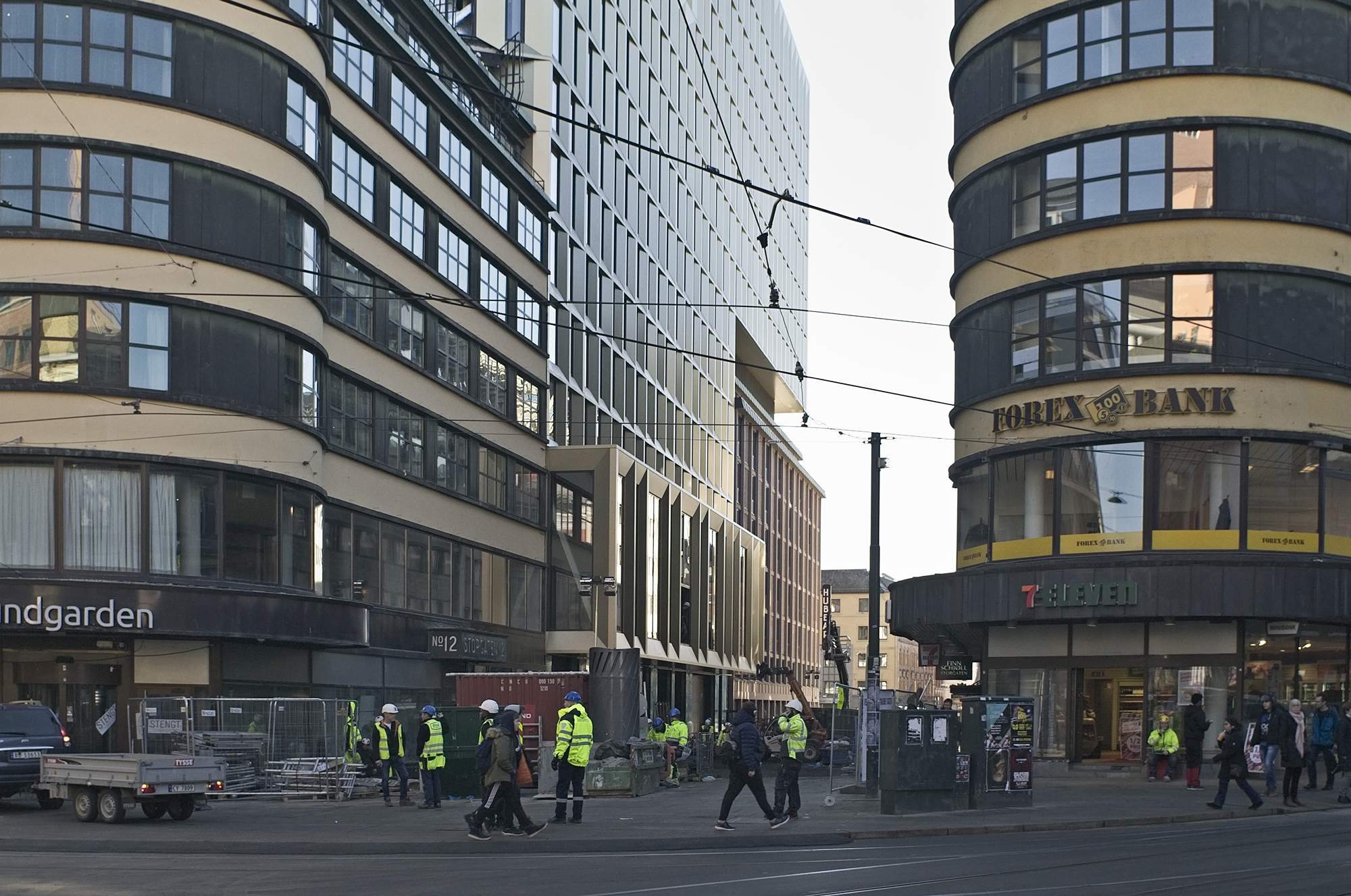
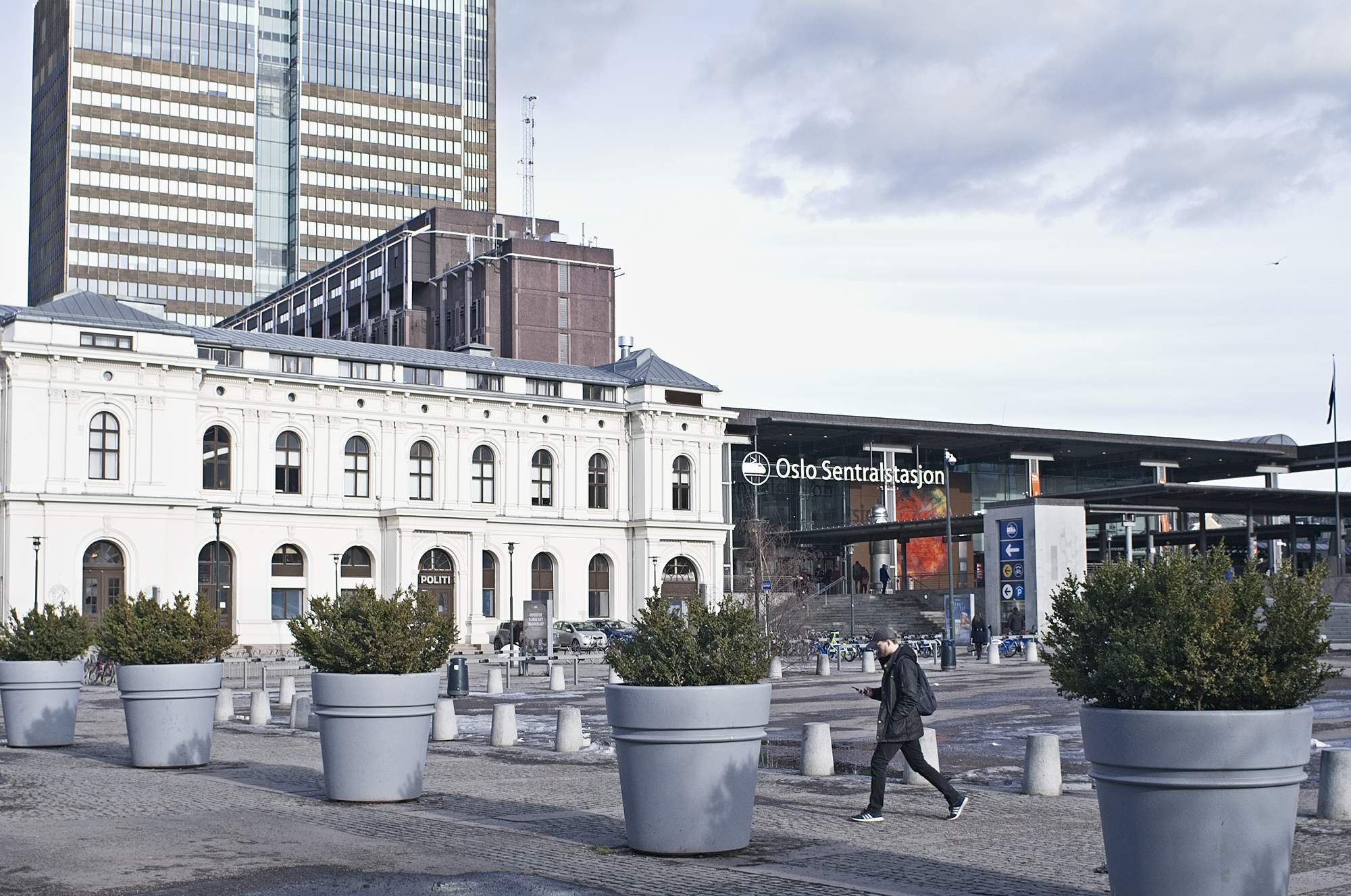
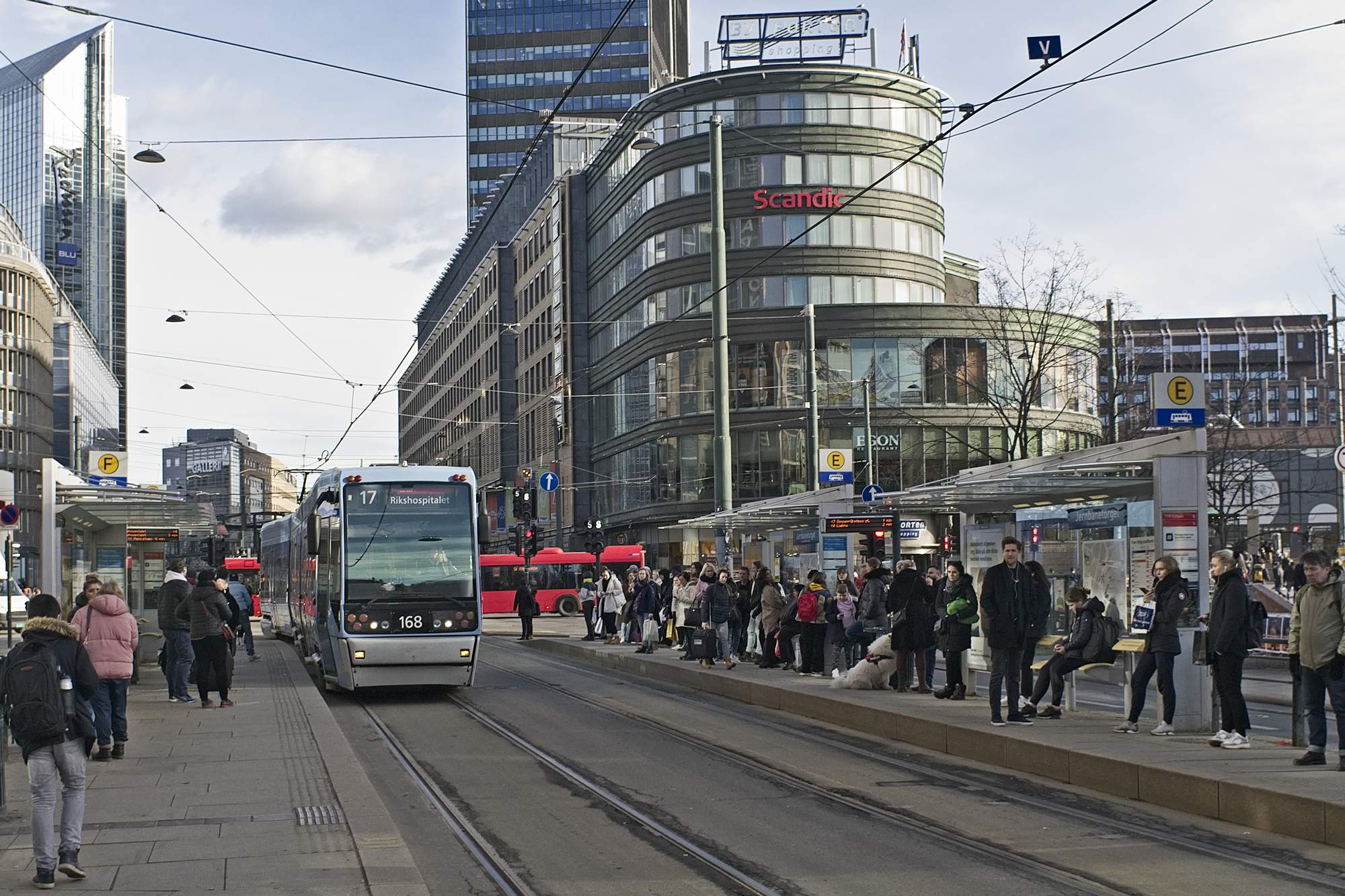
The Oslo fjord and the Aker river offer many acoustic resources, both naturally created, such as waves and rapids, and sounds from human activity on or near the water. Natural areas often surround the fjord and the city lakes. They are slightly beside and below the main traffic routes, which positively influences how people experience the urban sound experience. You start your walk just behind the Opera House at the artificial island of Sukkerbiten, from where you dive into the crowded inner-city from an open acoustic environment shaped by the fjord. On your walk, you will also cross some of Oslo’s busier and denser areas at Jernbanetorget, Youngstorget and Vulkan. You can explore how sound spreads and accumulates along with large buildings and street canyons in these areas. The difference between the 20th-century city structure and today’s Oslo is becoming audible. The tour ends at the Aker river, where old trees and industrial workshop buildings provide excellent conditions to experience Oslo’s acoustic qualities.
Start: Sukkerbiten behind the Opera House. End: Vulkan market hall at Aker river.
Download the walk map (PDF).

Organised by urbanist Trond Maag
In cooperation with the Agency for Urban Environment and the Agency for Planning and Building Services
Supported by Oslo European Green Capital 2019
16-19 March, 25-28 May, 24-27 August and 19-22 October 2019